




From April 7 to 9, the Annual Eurasia Higher Education Summit “EURIE 2026” is taking place in Istanbul. This international platform connects Eurasia’s dynamic higher education sector with the global academic community.
Every year, EURIE is attended by representatives from over 100 countries. The event aims to advance the internationalization of education, facilitate the exchange of best practices, and seek innovative solutions for university governance.
The summit programme features panel discussions, plenary sessions, and workshops led by top experts. Participants explore current trends in the academic world, share best practices, and develop strategies to help universities adapt to the challenges of modern education. Running alongside the conference is an exhibition that provides an ideal setting for effective networking and the formation of long-term partnerships.
The scale of the conference attracts a wide range of professionals – from university leaders and government officials responsible for education policy, to representatives of international offices, researchers, and educational technology providers. For all of them, the summit serves as a key platform for discovering new business opportunities, sharing expert knowledge, and expanding their professional networks to foster global collaboration.
The National Institute for Higher Education served as one of the coordinators of the Eurasia Higher Education Summit, where the potential of Belarus’s education system was showcased in a dedicated pavilion. During the summit, an international roundtable was held, bringing together experts via a video bridge. The key topic of discussion was the potential of Competence Centres established at the country’s leading technical universities: the Belarusian National Technical University, Brest State Technical University, and Euphrosyne Polotskaya State University of Polotsk.
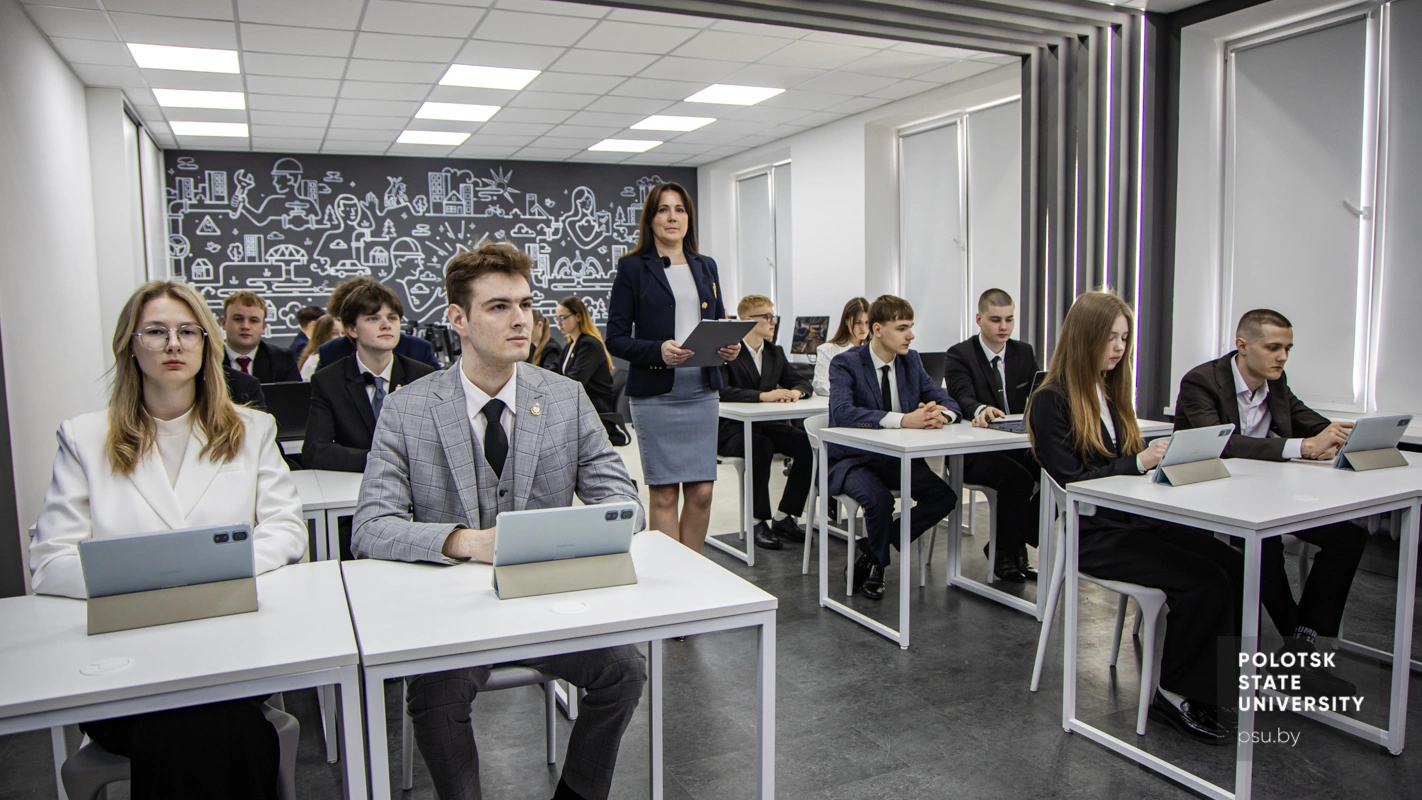
Participants of the international roundtable
The Competence Centre for Construction and Utility Networks, opened at Polotsk University in 2025, includes 19 specialized laboratories. A key feature of the center is the new laboratories developed jointly with industrial partners – Vitebskoblvodokanal and Vitebskoblgaz. Specifically, the university has introduced Water Supply and Sewage Systems Laboratory, Water Treatment Research Laboratory, and Innovative Digital Twin Laboratory for Gas Supply Systems.
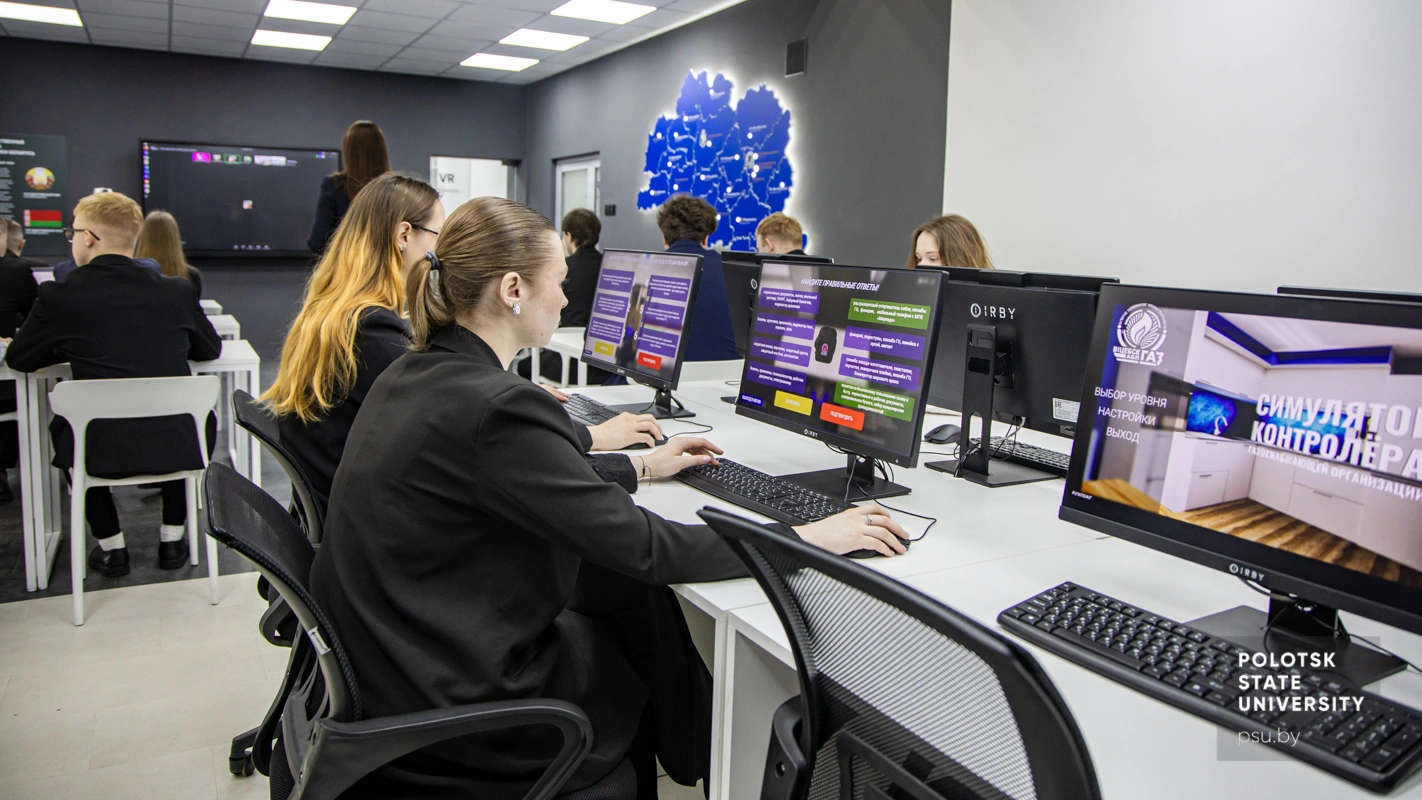
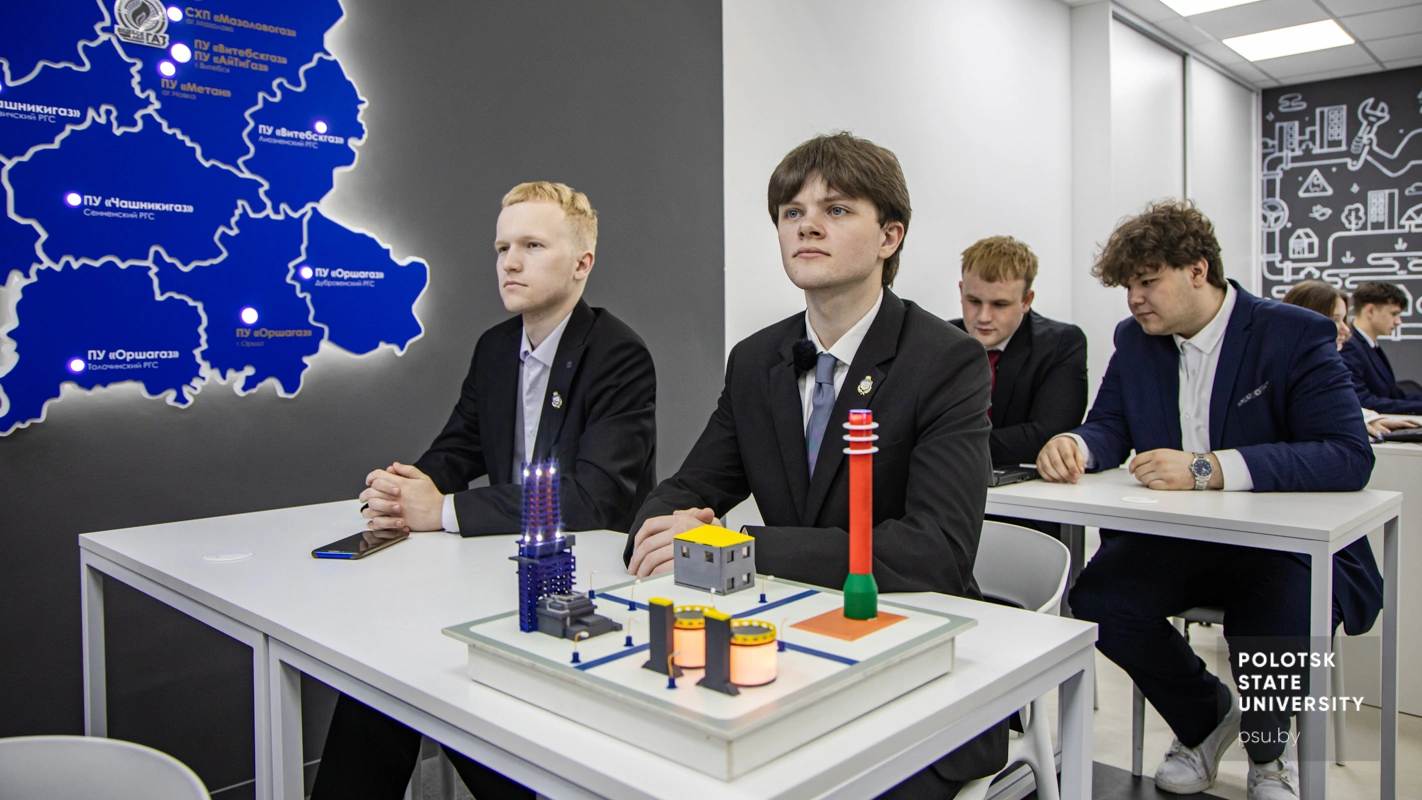
The activities of the Competence Centre are aimed at bridging the gap between theory and practice. Its main goal is to provide students with the opportunity to master modern equipment, advanced production technologies, and innovative working methods. This approach enhances the quality of training for specialists who fully meet the current demands of employers in the construction industry and the housing and utilities sector.
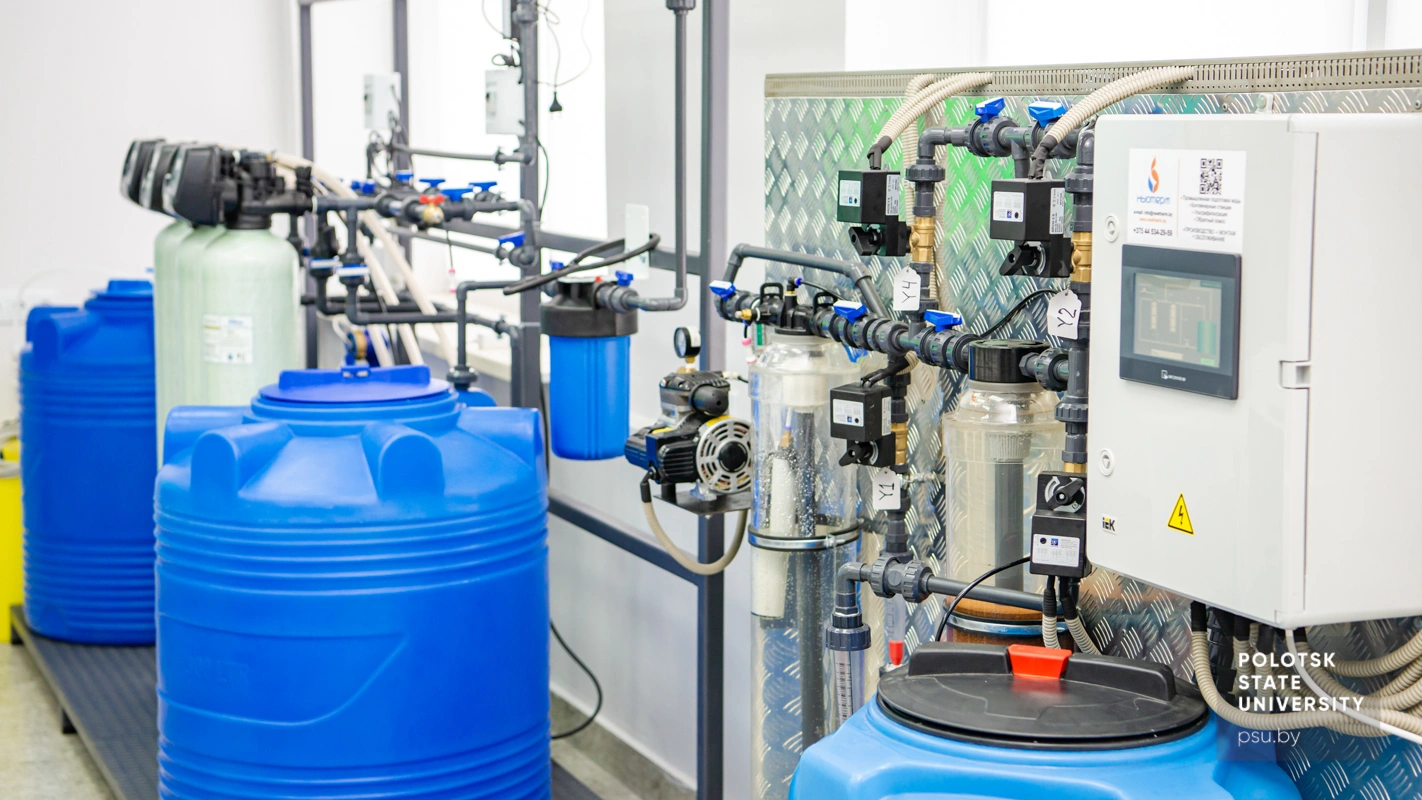
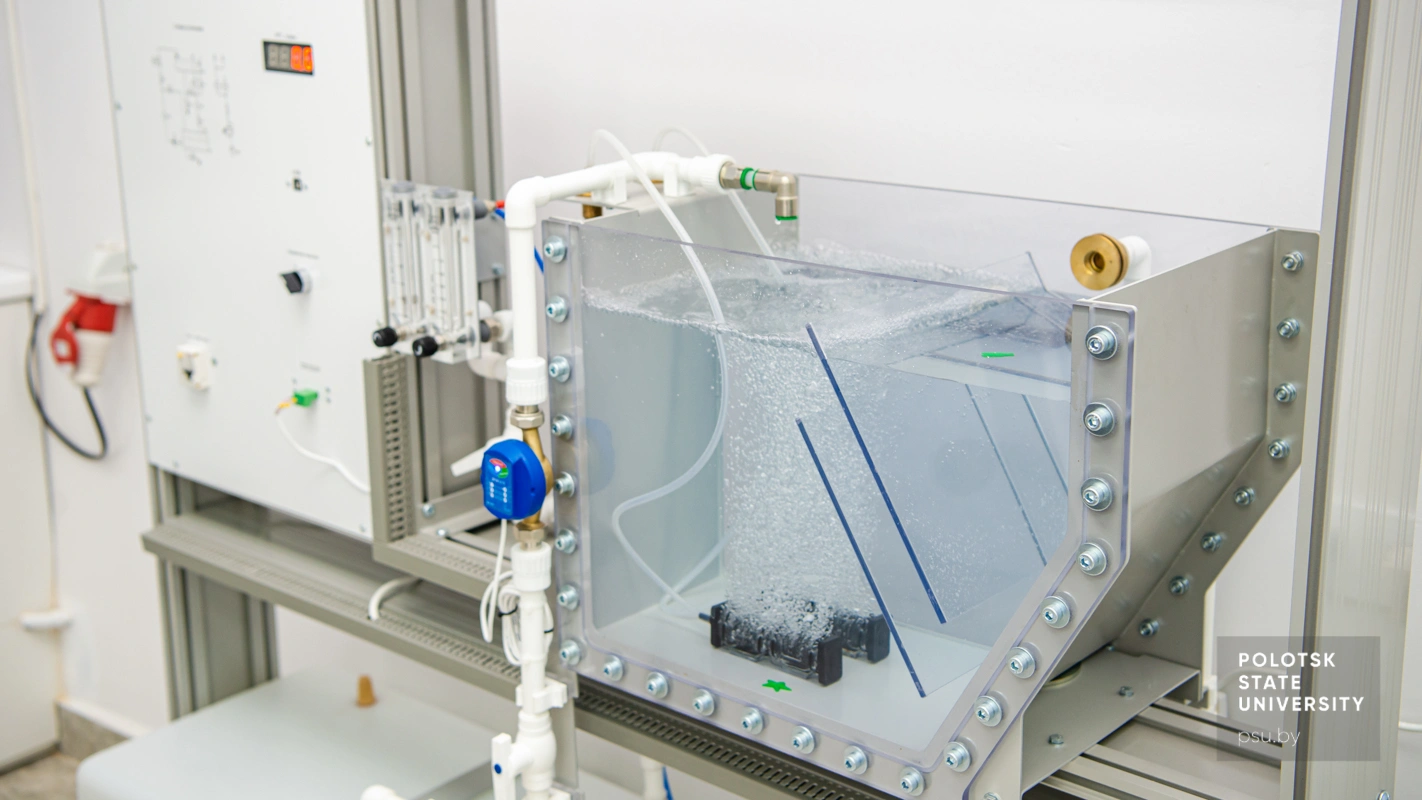
Water Treatment Research Laboratory equipment
The experience presented will serve as an important reference for the academic community and act as a catalyst for further collaborative projects in the field of engineering education.

