




On September 25, Euphrosyne Polotskaya State University of Polotsk held the opening of a new lecture hall and Laboratory of Information Technologies for Water Supply and Sewage Systems "IT-Water". These new facilities were established in partnership with the Vitebsk Regional Communal Unitary Enterprise for Water and Wastewater Services, "Vitebskoblvodokanal".
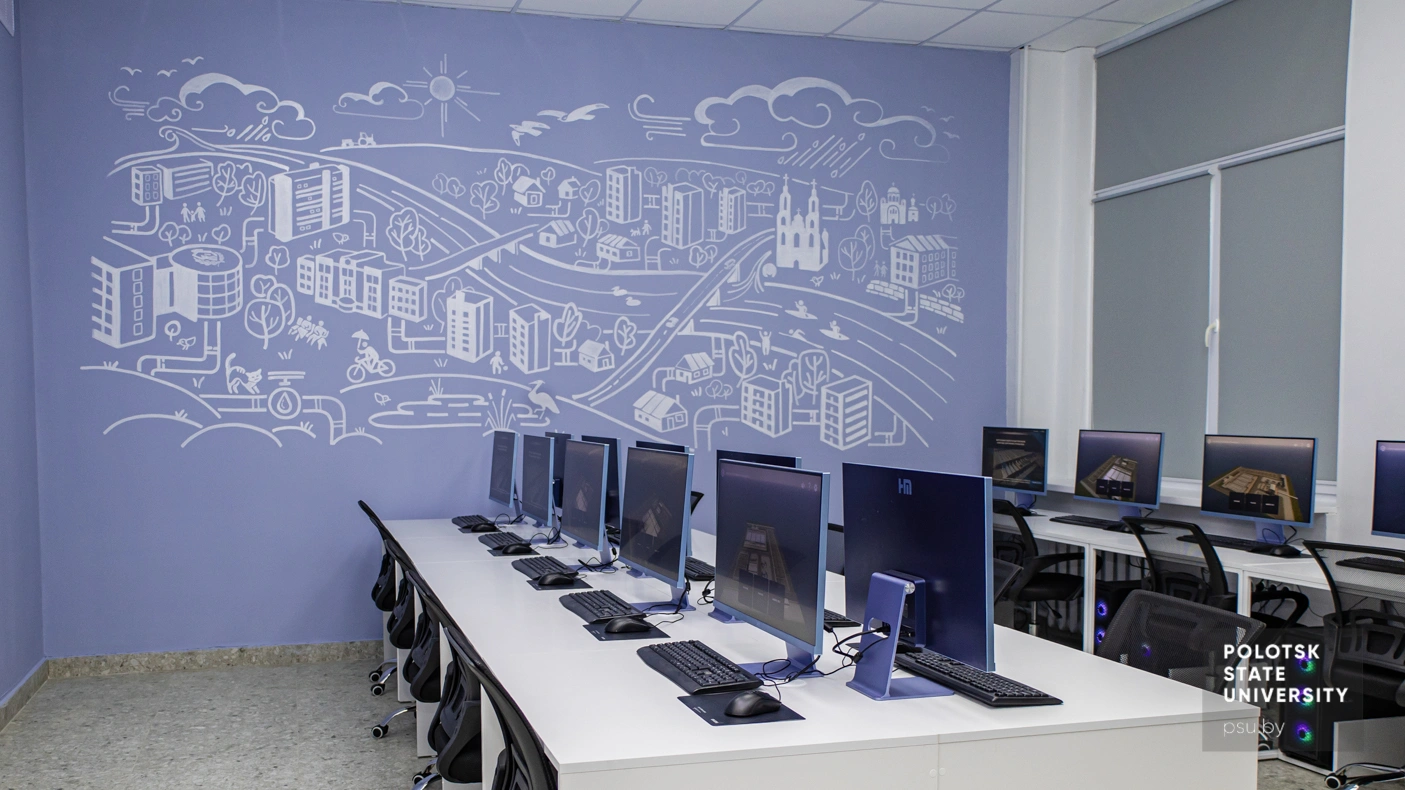
Laboratory of Information Technologies for Water Supply and Sewage Systems "IT-Water"
The ceremony was attended by distinguished guests:
- Igor Burmistrov, Chairman of the Novopolotsk City Executive Committee;
- Alexey Khvalko, General Director of "Vitebskoblvodokanal".
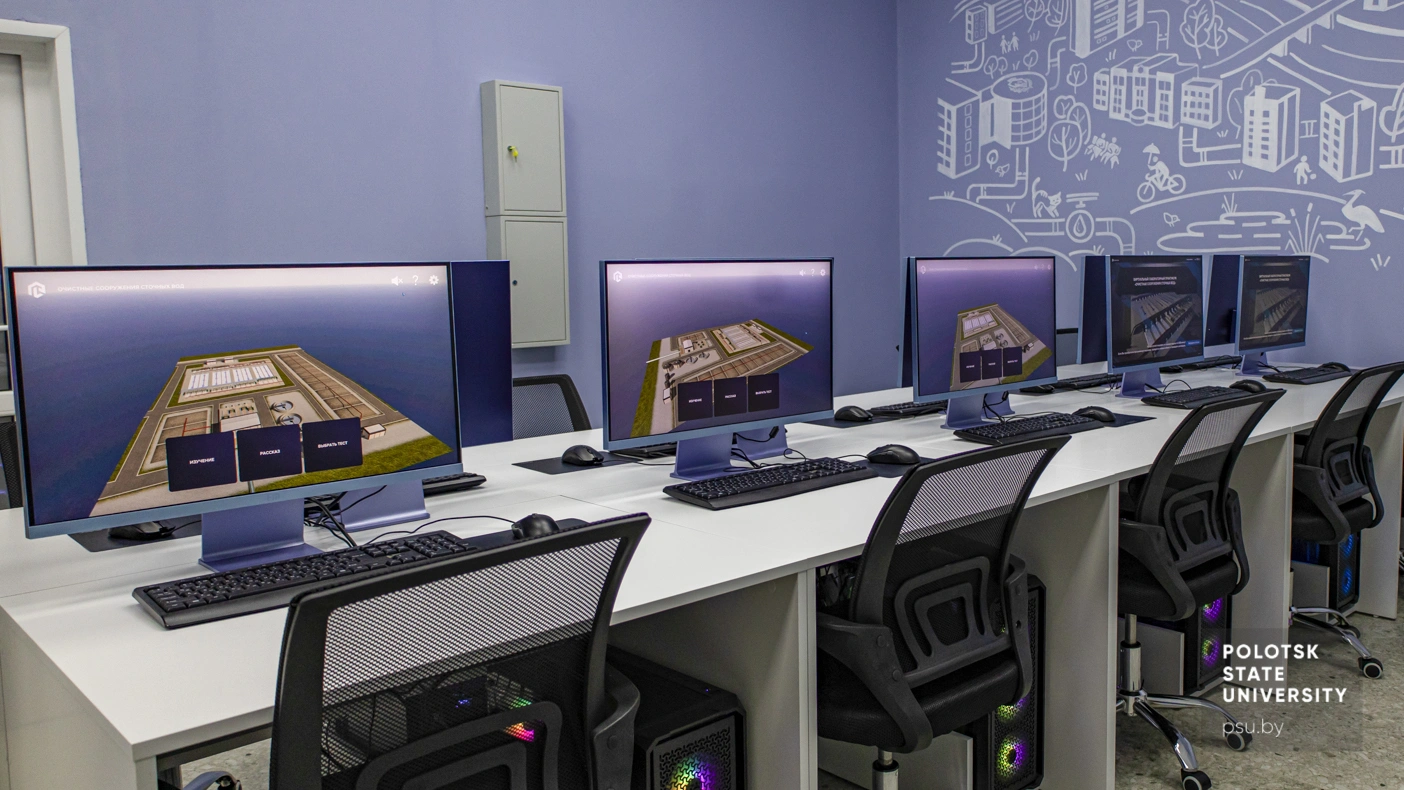
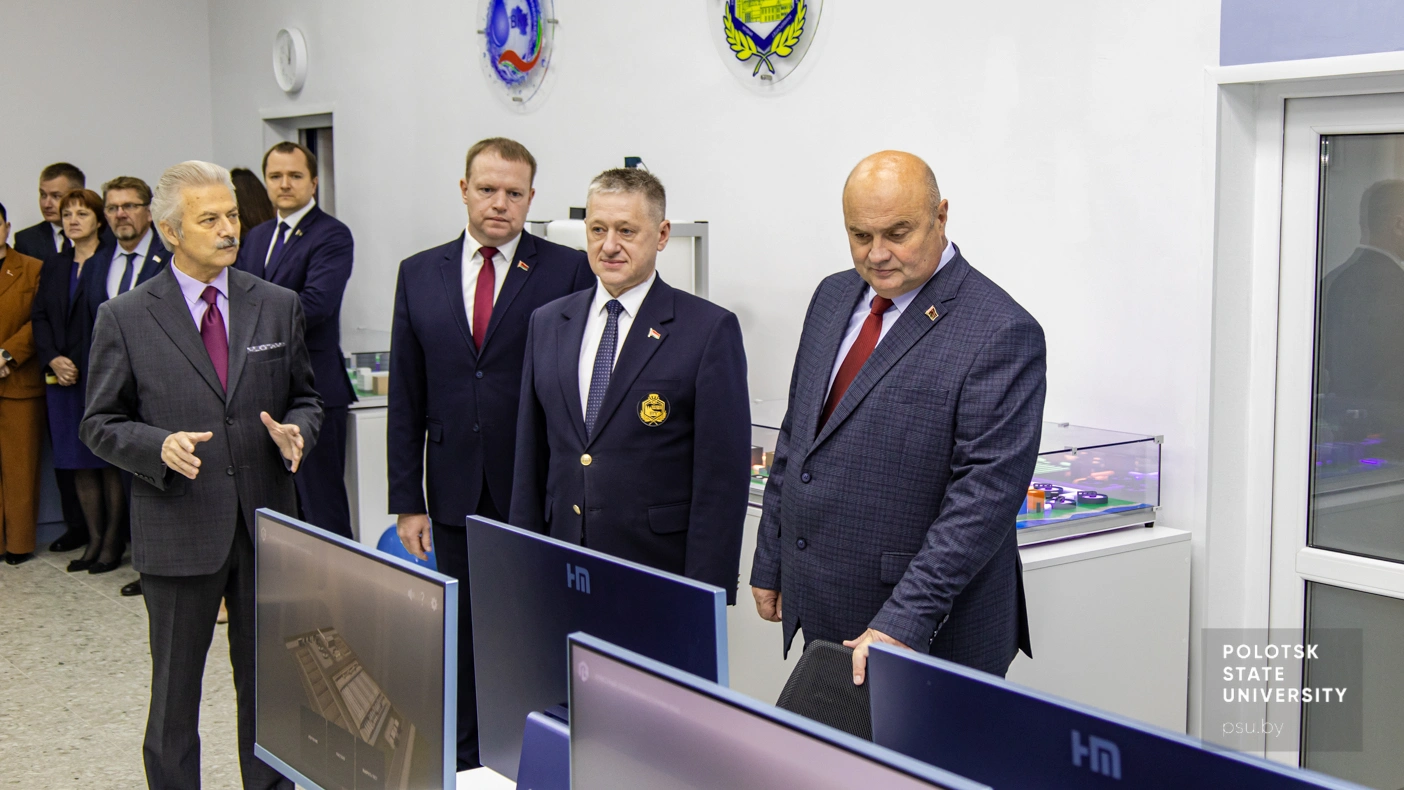
Laboratory of Information Technologies for Water Supply and Sewage Systems "IT-Water"
The new laboratory is now part of the Competence Centre for Construction and Utility Networks. Rector Yury Ramanouski highlighted the significance of the event: "The creation of the Competence Centre was made possible thanks to the support of our partners, primarily Vitebskoblvodokanal. This is a reliable partner who understands that to properly train a specialist, they must learn on modern equipment and be introduced to current industry processes. This is exactly the kind of environment we are creating here to train professionals at the highest level
But our work does not end here. We understand that knowledge becomes outdated over time and requires continuous updating. The new laboratories will allow us not only to teach students but also to retrain and upskill professionals – including those who have already graduated and are working in the field. It is vital for them to master new technologies and adapt to the evolving professional landscape.
One of the new focus areas is IT in water supply and wastewater management, and our new laboratory is dedicated specifically to this field. I am confident that it will serve as a platform not only for university students but also for schoolchildren. By visiting this space, young people will see firsthand the technologies used by water utility engineers and, hopefully, be inspired to choose engineering in this sector for their future careers".
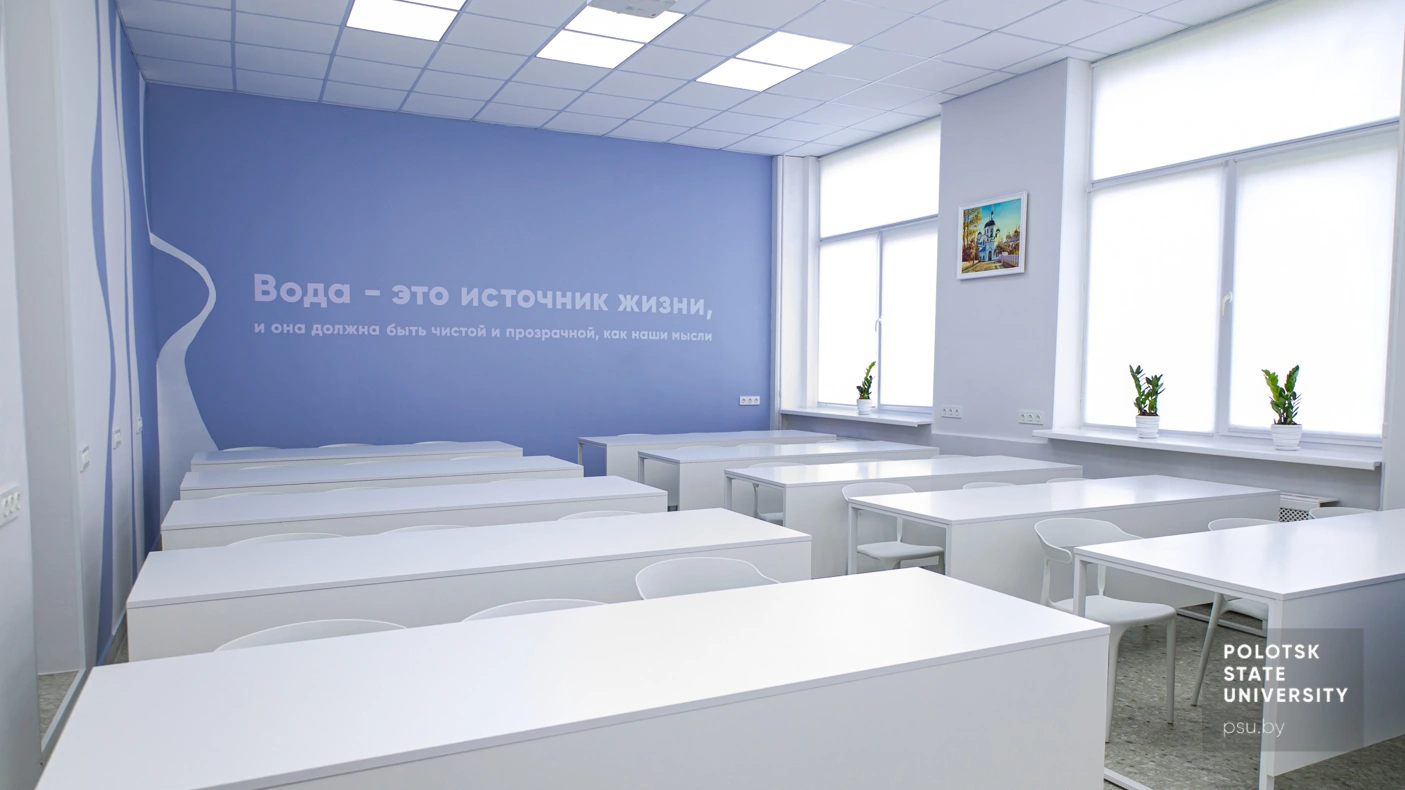
New lecture hall
The new Competence Centre facility is designed for studying information technologies applied in water supply, wastewater management, water treatment, and sewage purification. Using physical models, students will explore the design of water treatment facilities, water intake and transport systems, and wastewater collection and treatment networks. Afterwards, using simulation software, they will adjust the operating modes of these facilities based on water volume and pollution levels, select appropriate technologies, and determine the optimal treatment sequence.
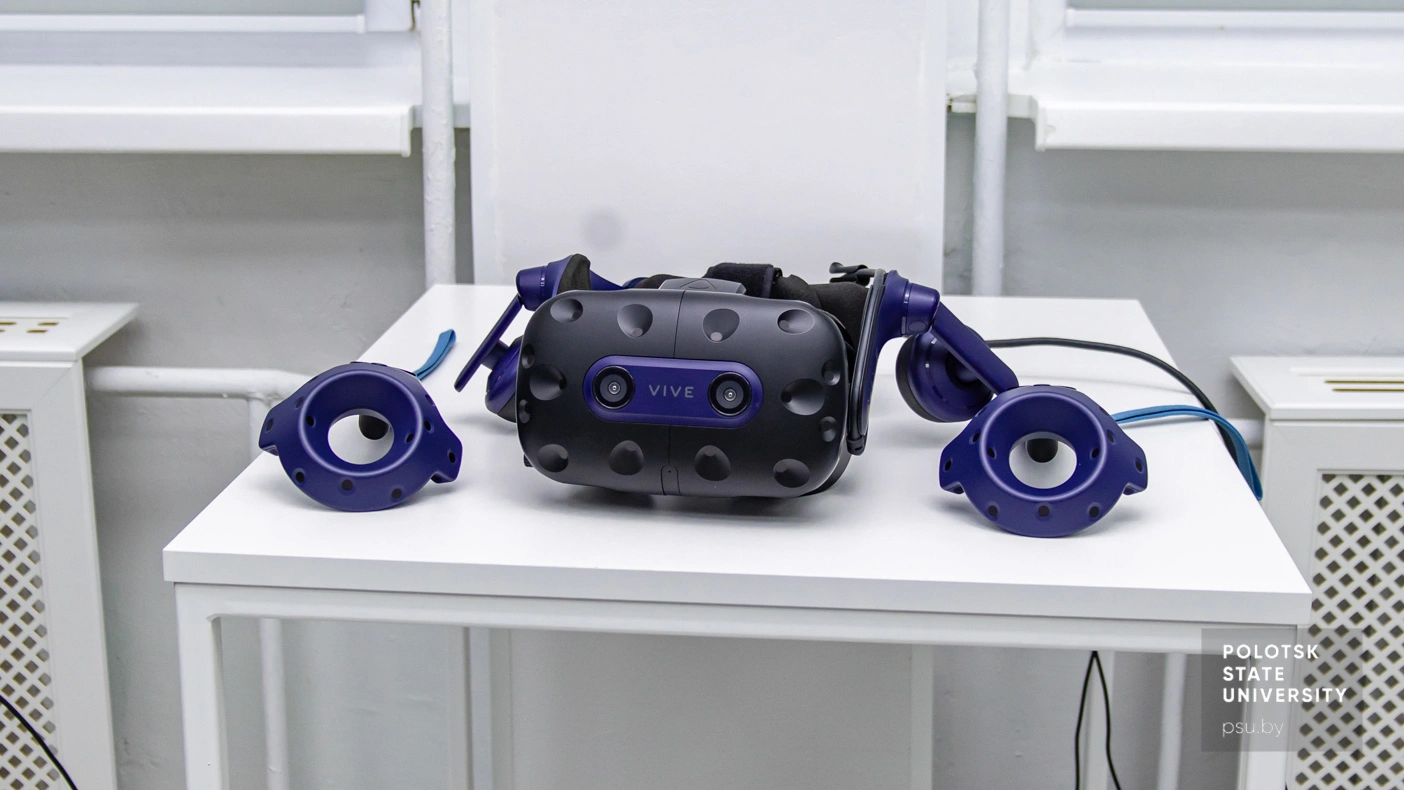
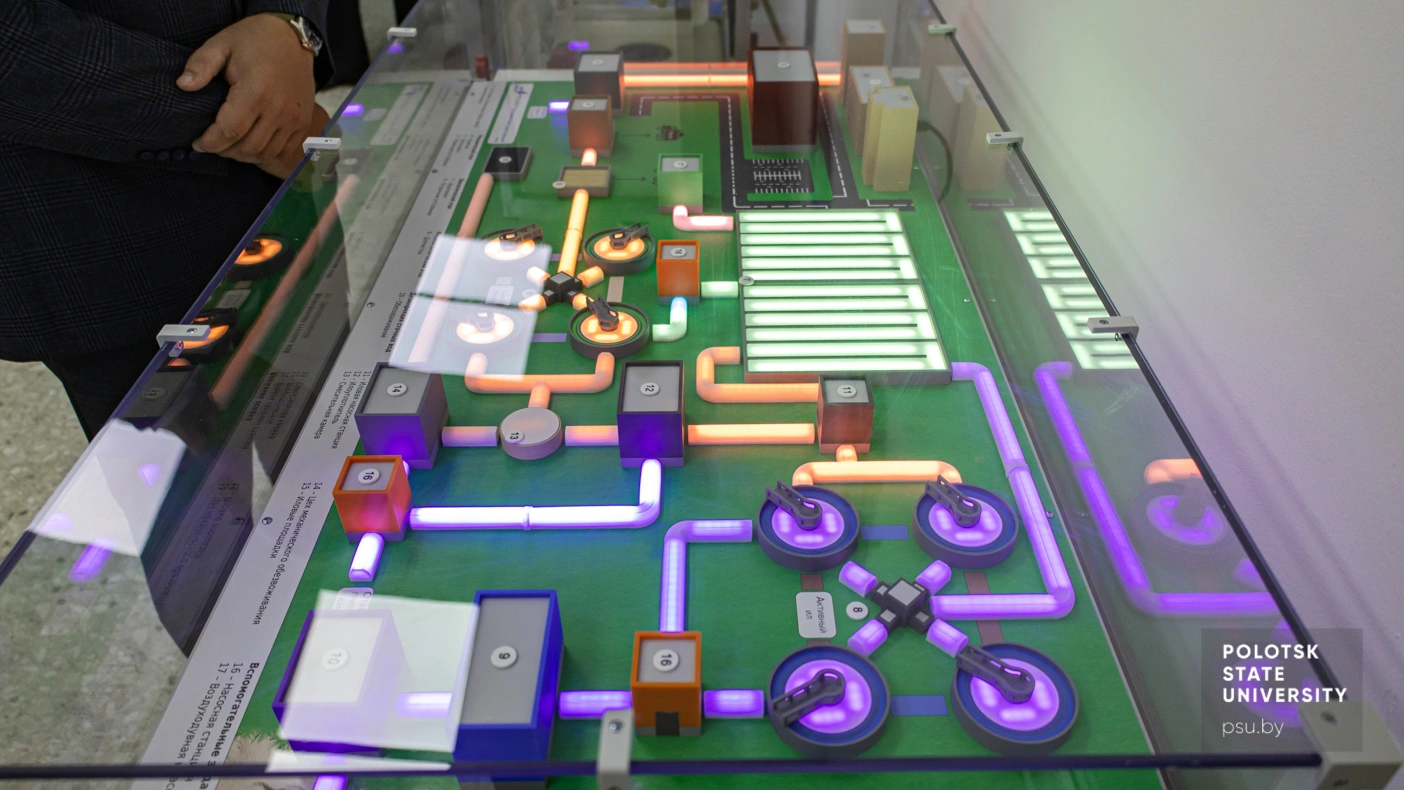
Equipment of the "IT-Water" laboratory
University lecturers, together with students from the Faculty of Information Technologies, have developed a virtual reality project "Technical Maintenance of the Iron Removal Water Station". The simulator allows users to study the station's design and practice maintenance procedures without leaving the classroom. As a result, during their industrial internships, students are already familiar with the facility, can navigate the site more easily, and feel much more confident.
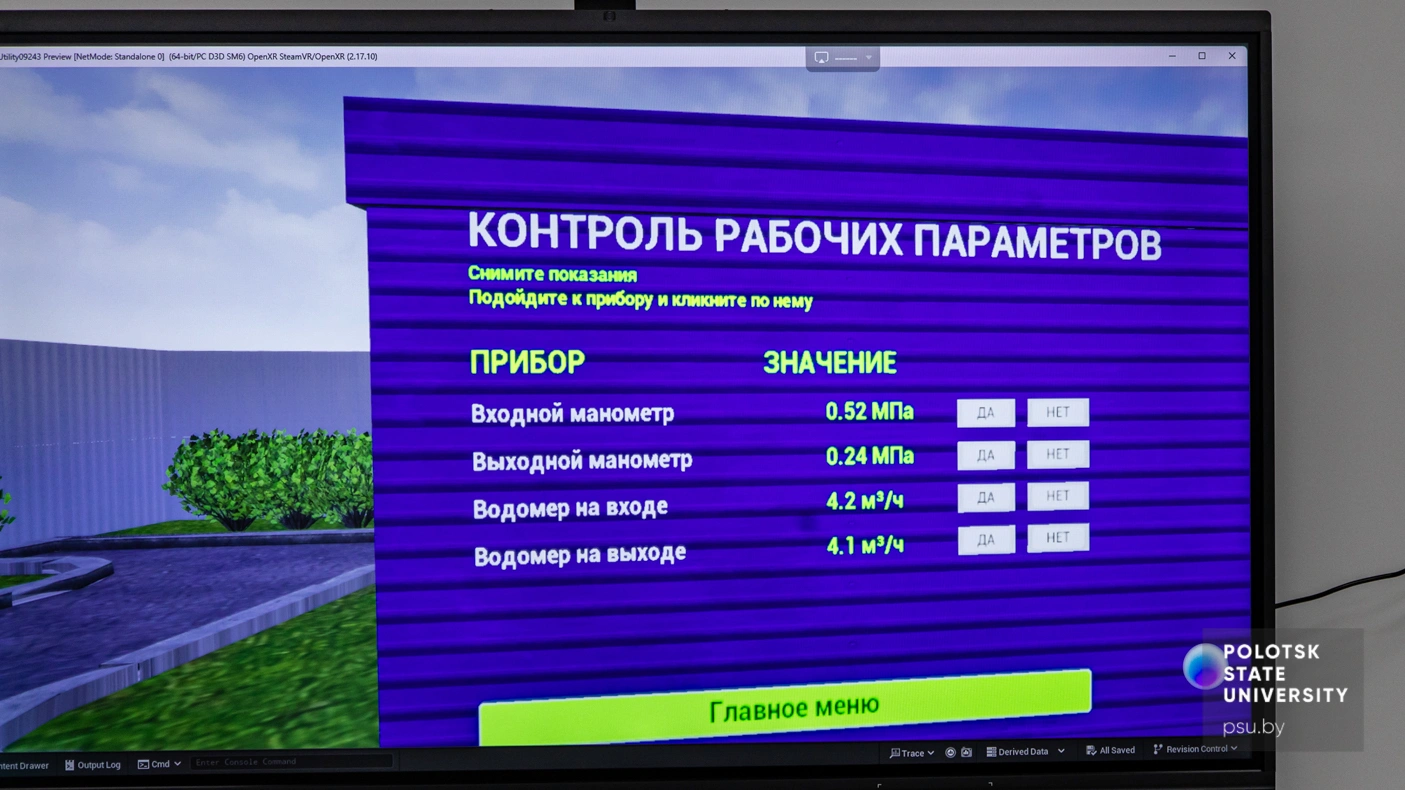
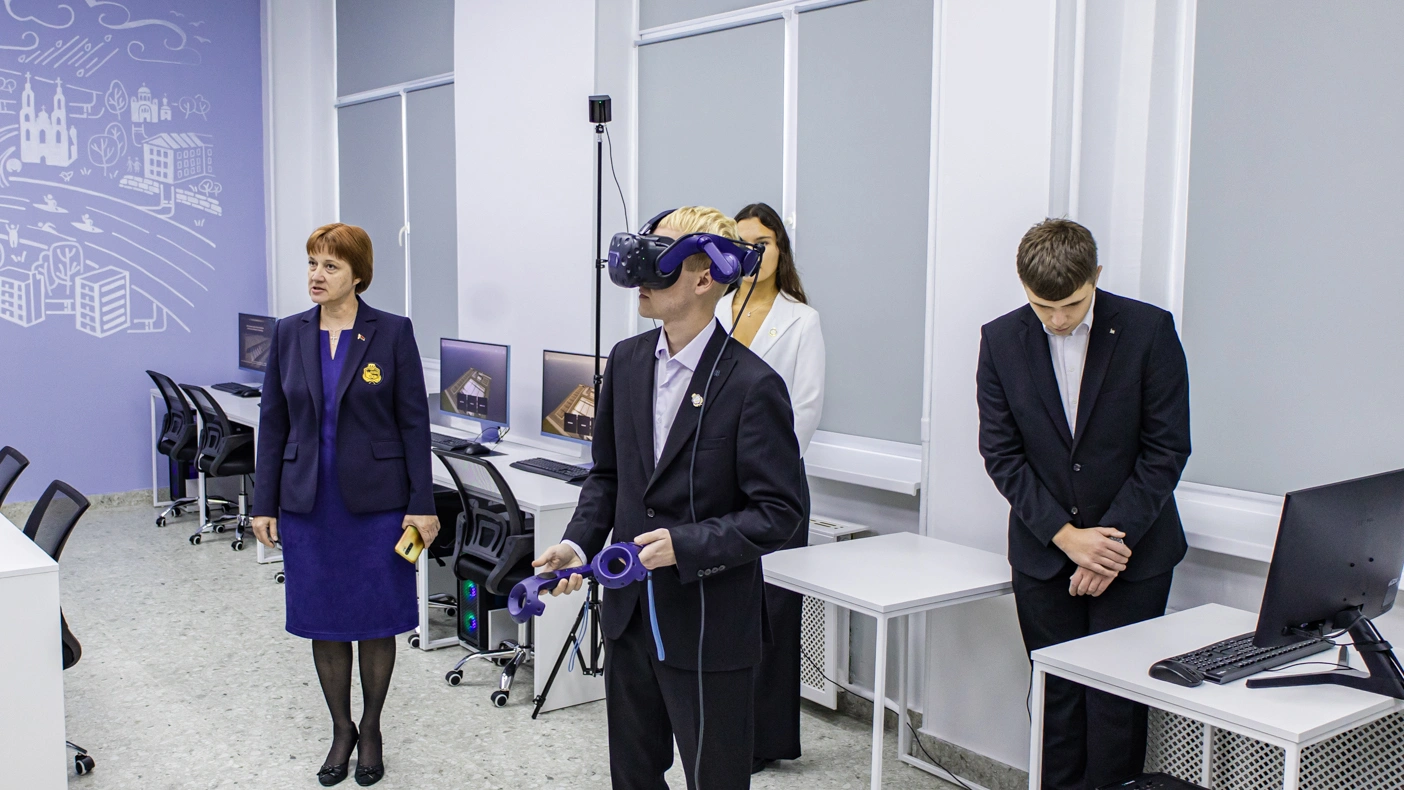
Demonstration of the virtual reality project "Technical Maintenance of the Iron Removal Water Station"
Alexey Khvalko, General Director of "Vitebskoblvodokanal", shared his perspective: "We are continuing our work to enhance the scientific and practical base at Polotsk University. Today, it is not easy to find qualified specialists – you have to nurture them from a young age. Therefore, our cooperation with the university is structured strategically: first, we introduce schoolchildren to the study conditions and tell them about the education they can receive. Then, we invite them to our enterprises to show them the actual working conditions. This is how we attract young professionals.
This approach is already bearing fruit: over the past two years, we have hired 74 recent graduates. They see the modern working conditions, the prospects for employment and a competitive salary, as well as the opportunity to engage in the noble work of providing water to residents and enterprises".
The "IT-Water" Laboratory will help students and professionals master modern water supply and wastewater technologies, while the virtual simulators will prepare them for hands-on work with real-world facilities. It is here that the knowledge and skills required for the development of engineering networks and the training of highly sought-after specialists will be cultivated.

