




On September 10, Euphrosyne Polotskaya State University of Polotsk hosted a round table discussion titled "Latvia and Belarus: Confrontation vs. Dialogue". The event brought together experts for an in-depth and pragmatic analysis of the current state of bilateral relations.
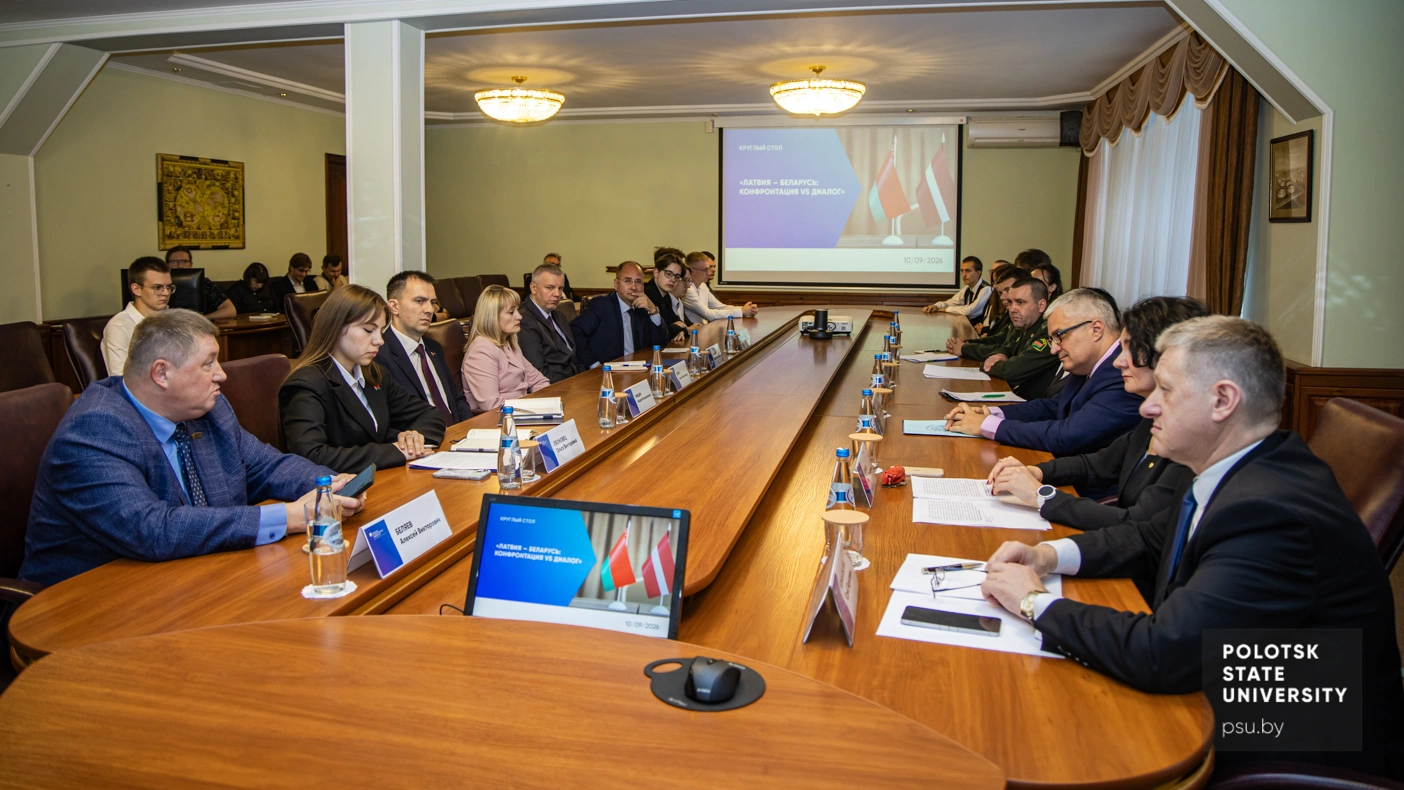
Round Table Discussion: "Latvia and Belarus: Confrontation vs. Dialogue"
The discussion aimed to find constructive solutions amidst geopolitical turbulence and create a platform for open dialogue on the issues that determine the stability of cross-border cooperation.
Yury Ramanouski, Rector of Polotsk State University, opened the discussion: "I would like to recall the words of the Head of State: 'You don't choose your neighbors; they are given to us by God.' Whether we like it or not, we will continue to live side by side. It is my sincere hope that we can live in peace and resolve all our issues through dialogue. And there is every reason to believe we can.
Today, our panel of experts will identify areas where we can work together to address shared challenges. I am confident that there are many in Latvia – including political figures and groups – who are deeply interested in dialogue, not confrontation, between our countries. We are always open and constantly demonstrate this: we welcome you to visit and participate. We are ready to serve as a platform for discussing any complex issues. Come to our university; we stand for dialogue".
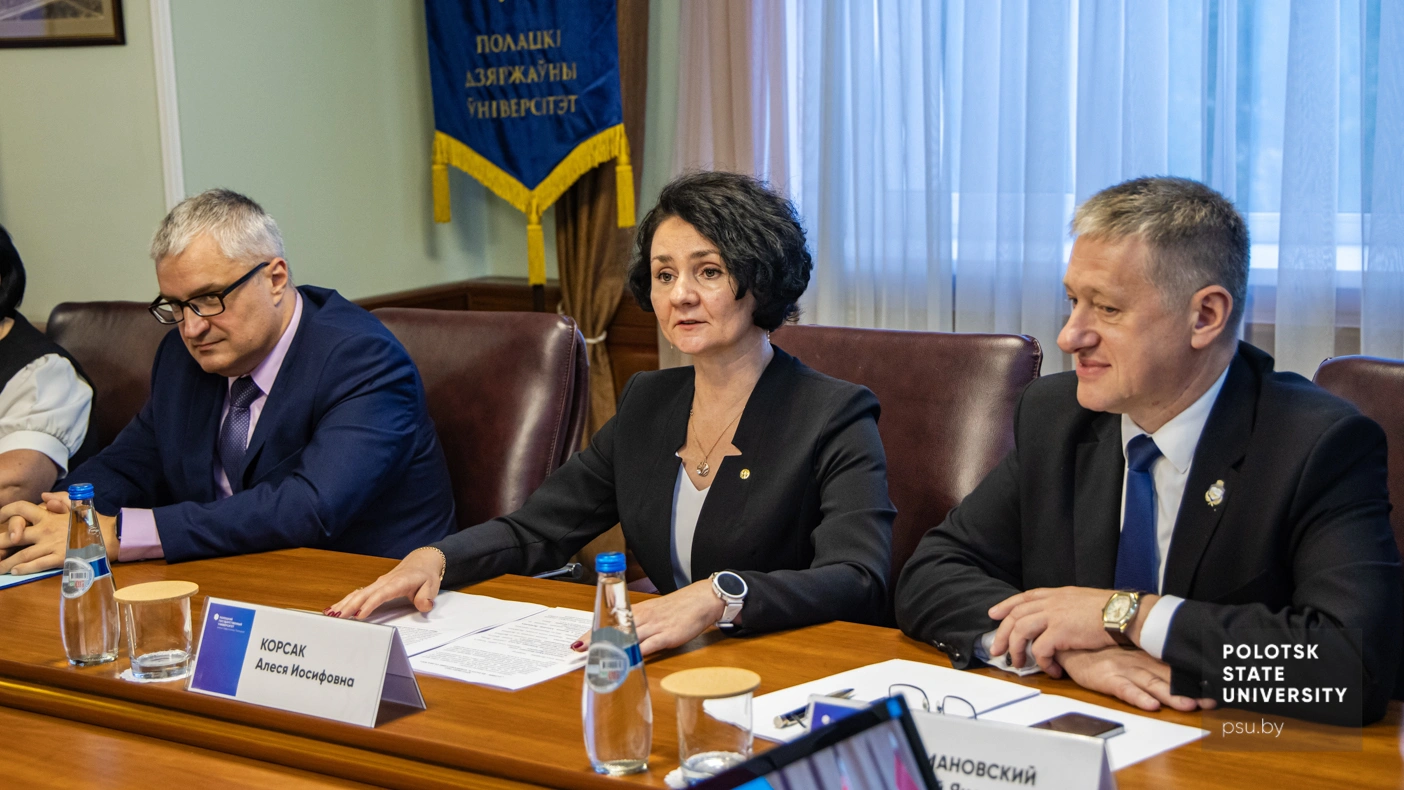
Konstantin Snisarenko, Alesia Korsak and Yury Ramanouski
The discussion focused on challenges spanning political, economic, and logistical aspects, further complicated by Latvia's membership in the EU and NATO.
In her opening remarks, the event's moderator, Alesia Korsak, Vice-Rector for Ideological and Educational Affairs at Polotsk University, PhD in History, Associate Professor, said: "Our discussion platform is dedicated to a highly important, yet complex topic: Latvia-Belarus relations. The relationship between our countries is a striking example of how two neighboring states, sharing a long history and geography, have gone from a pragmatic partnership to deep confrontation in recent years. Regardless, the position of the Republic of Belarus remains unchanged: we strive for dialogue and communication, and we are always open to constructive interaction".
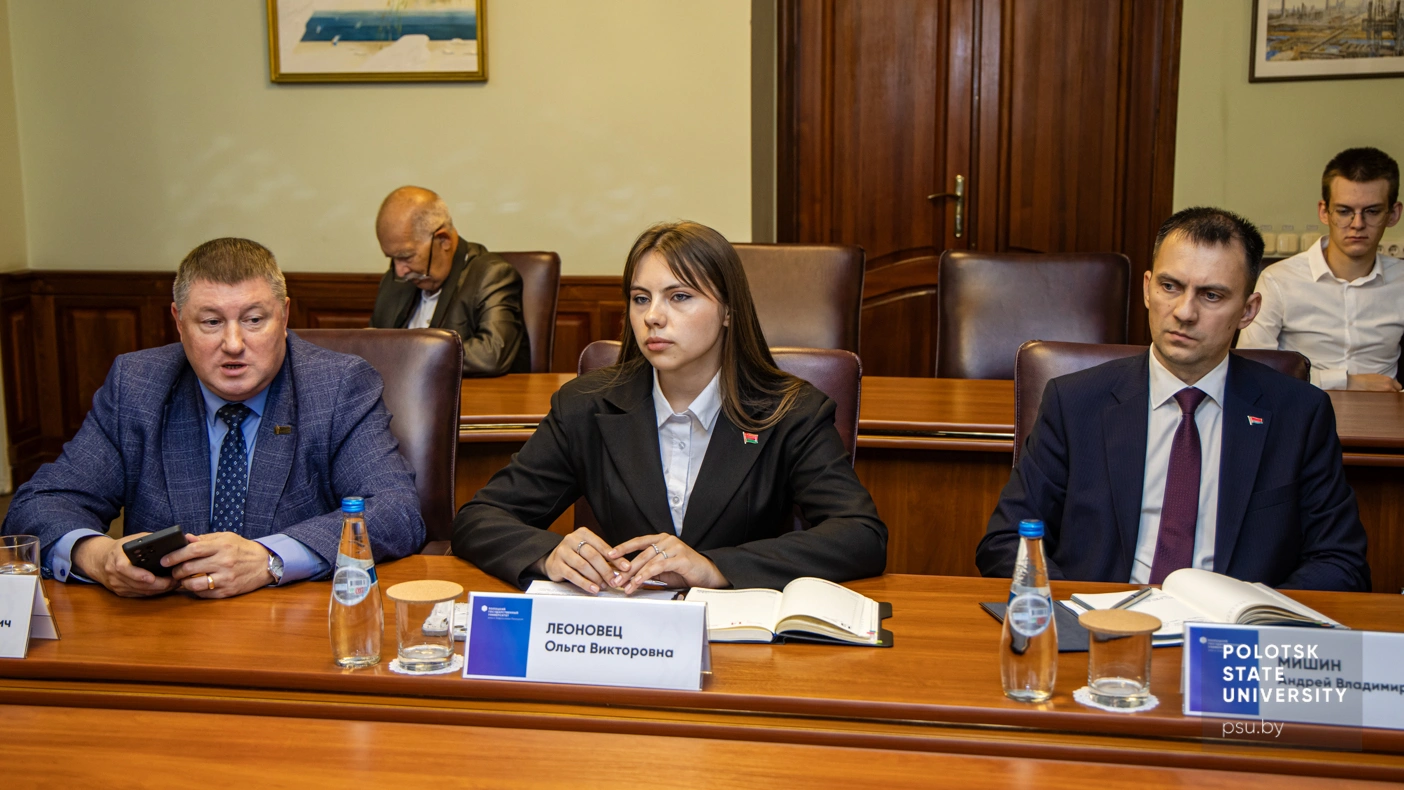
Alexey Belyaev, Olga Leonovets and Andrei Mishin
During the meeting, participants analyzed the historical context of this cooperation, highlighting past periods of constructive interaction that could serve as a foundation for rebuilding trust.
Alexey Belyaev, Political Scientist, PhD in History, Associate Professor, noted: "Even before 2020, our relations were not explicitly friendly, but they were built on the principles of healthy pragmatism rooted in economics. Belarus successfully leveraged its transit potential through Latvian ports and the Lithuanian port of Klaipėda, handling the transshipment of Belarusian cargo, such as potash and grain. This was a mutually beneficial partnership: Latvia received substantial transit revenues, which was economically highly advantageous for the country.
There was also active trade in goods, in which Belarus maintained a significant trade surplus until 2020. We supplied significantly more products to Latvia than we received in return. The Latvian side was interested in Belarusian goods with high added value, as they were often more affordable than European alternatives. Unfortunately, this healthy economic pragmatism was undermined by political ambitions".
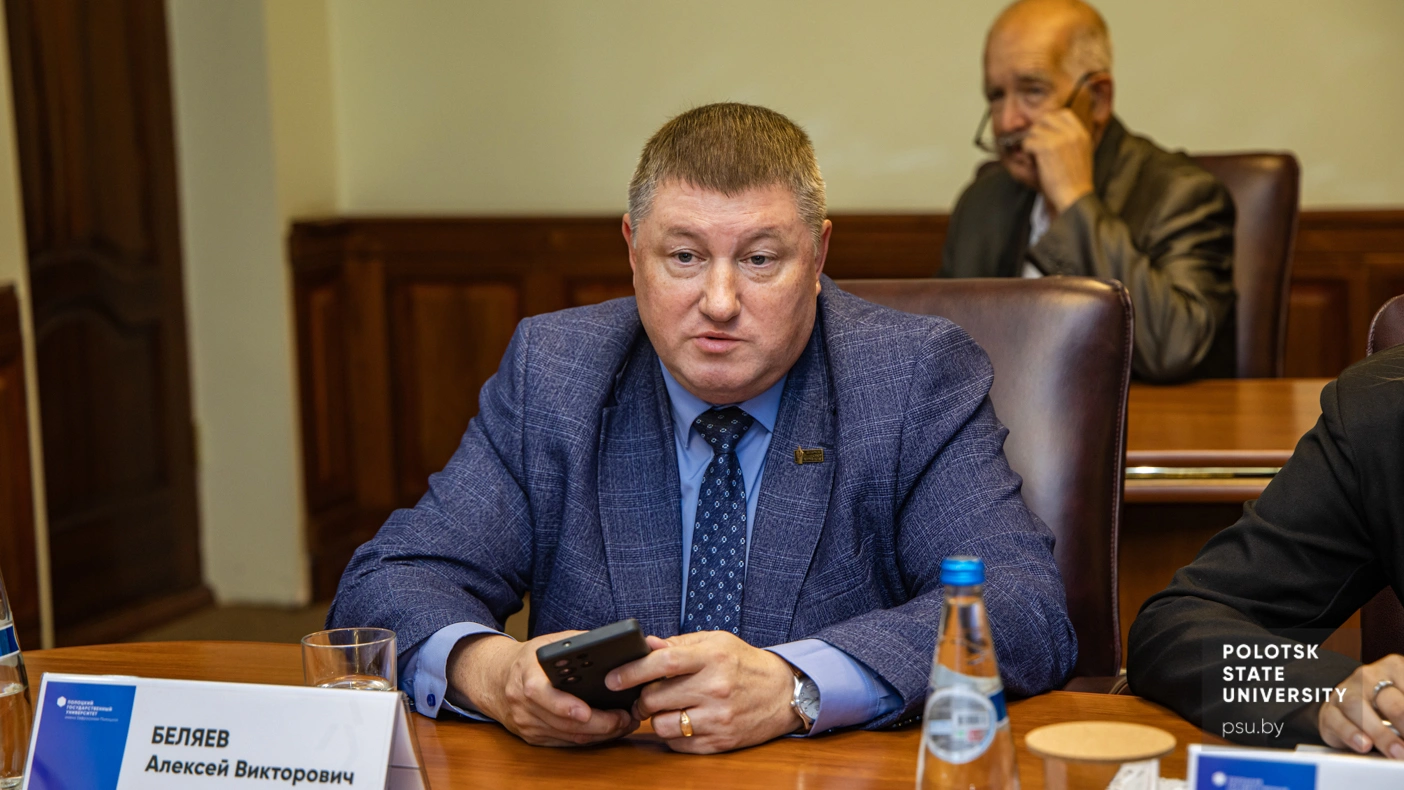
Alexey Belyaev
Experts paid special attention to current issues, including an analysis of unfriendly measures taken by the Latvian side, as well as the objective difficulties that have arisen at border crossing points, such as Hryharausshchyna-Paternieki.
In 2022, the Head of State made the decision to introduce visa-free entry into the Republic of Belarus for citizens of Latvia and Lithuania, and a few months later, Poland was added to this list. Today, citizens of 38 European countries can enter Belarus under simplified conditions. Experts emphasized that even amidst complex political relations, human, cultural, and cross-border ties remain a vital channel of communication that must be preserved.
Denis Glebko, Lieutenant Colonel and Official Representative of the Polotsk Border Detachment, stated: "If we look at the statistics, since the beginning of this year, over 87,000 citizens of European countries, including Latvia, have crossed the border under the visa-free regime in the area of responsibility of the Polotsk Border Detachment. In total, since the introduction of the visa-free regime in 2022, nearly a million citizens from European countries have crossed the border – 975,000 people to date. This indicates that the growing interest is not fading. Citizens of European countries are keen to visit the Republic of Belarus, and their purposes for travel are diverse: visiting relatives and loved ones, receiving medical services, and participating in cultural events. All of this shows that, despite attempts by European politicians to 'burn bridges,' cultural and family ties are preserved and will continue to be maintained by ordinary citizens of European countries and Belarus".
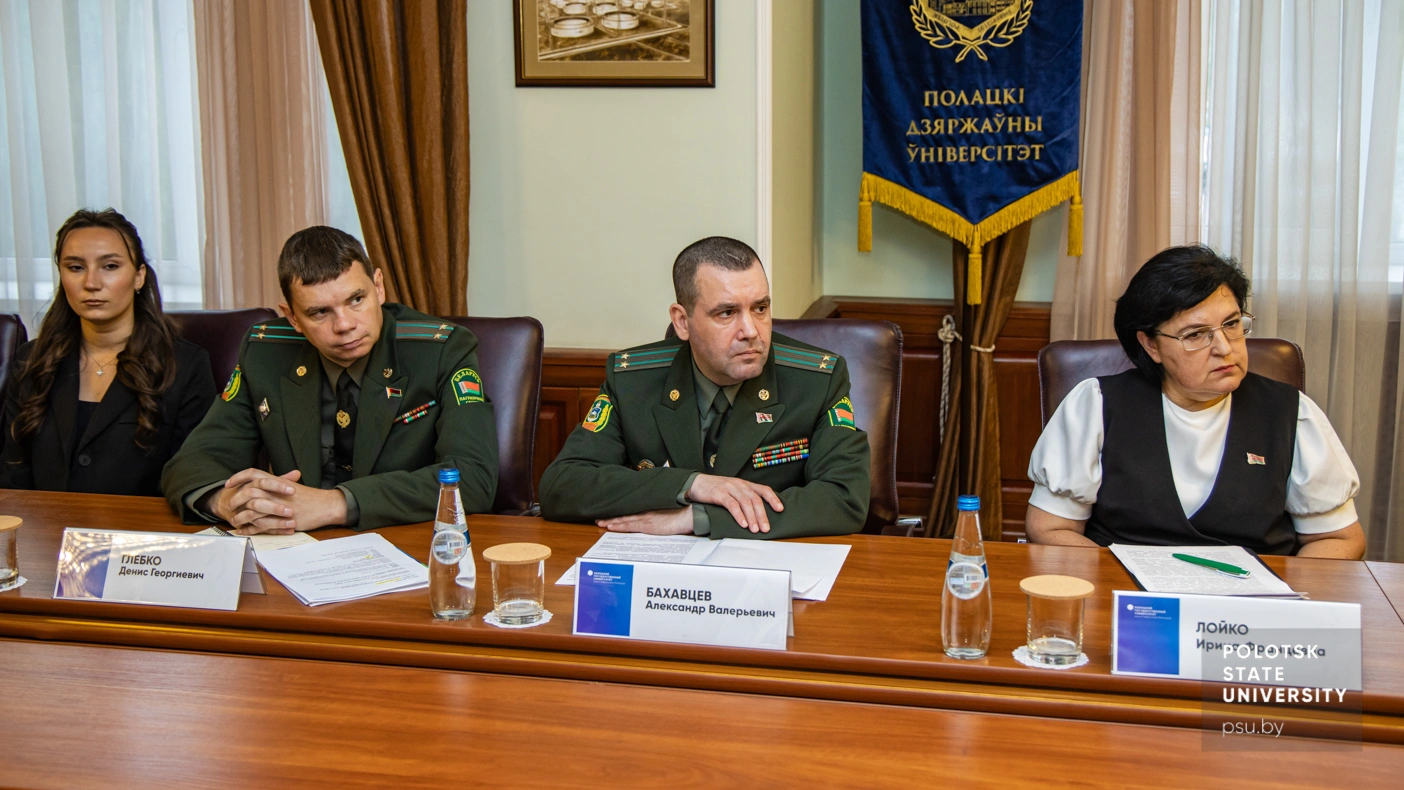
Denis Glebko, Alexander Bakhavtsev and Irina Loiko
An important part of the discussion was evaluating the role of the expert community as a "soft power" capable of preventing a complete breakdown of dialogue and proposing scenarios for stabilizing the situation. Despite confrontational rhetoric, finding common ground is both a diplomatic task and an urgent necessity for the security and economic development of the region.
The meeting participants adopted a resolution aimed at minimizing the risks of escalation and gradually normalizing contacts between the countries. The next stage of this interaction will be an event where foreign experts are planned to be invited to participate.

