




Many mistakenly believe that graduates of the ‘Technological Education’ programme can only work as teachers of technical labor in schools. In reality, graduates of this field work in various educational institutions and teach disciplines of technological and economic profile, as well as the basics of information technology and other subjects. However, this is not the only career opportunity for graduates.
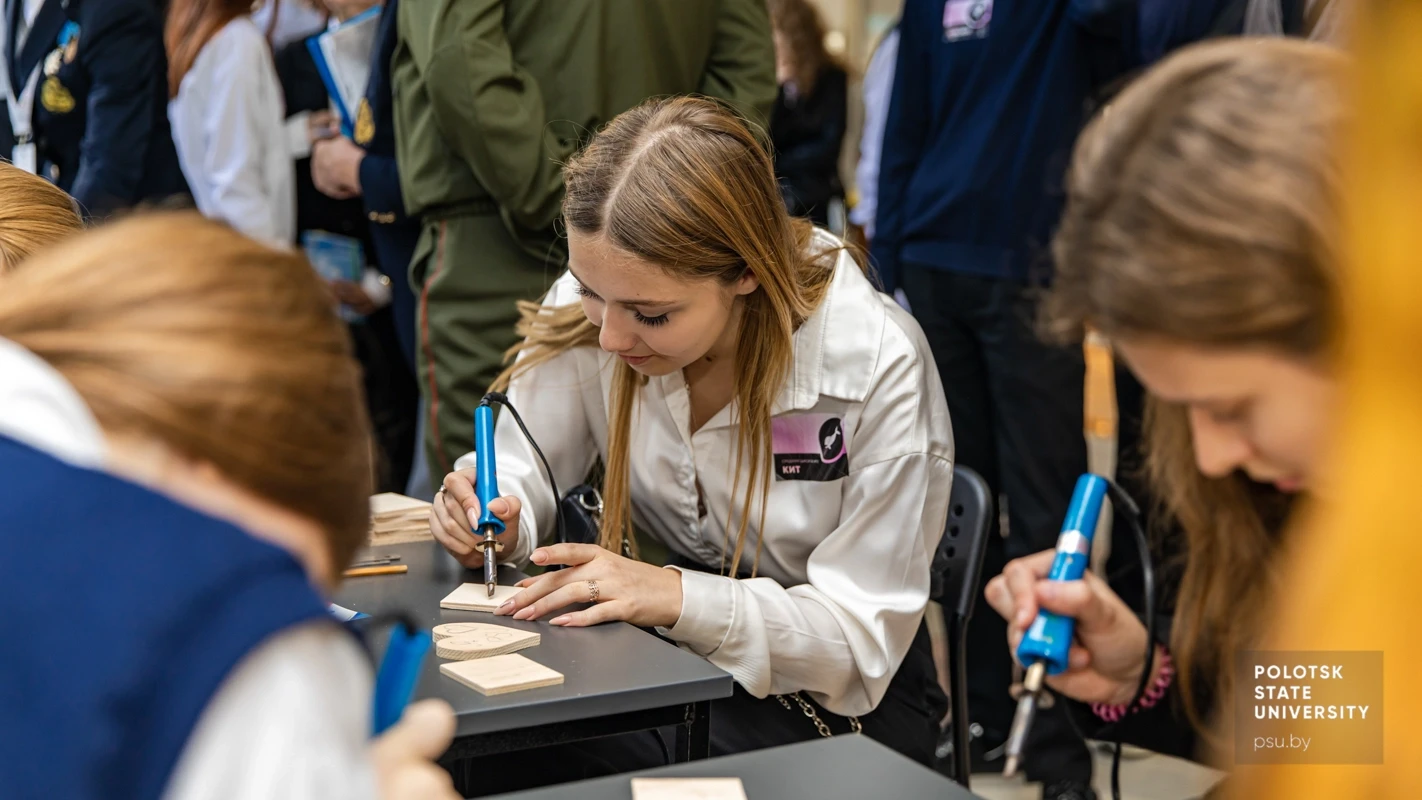
Graduates of the ‘Technological Education’ programme are in demand in the field of education, at manufacturing enterprises, and at companies producing decorative and applied arts items, in craft workshops, museums, and centers of folk art.
Students study a range of modules aimed at acquiring economic and technical knowledge, as well as methods for processing materials such as wood, metal, glass, ceramics, and stone. The curriculum includes a wide range of economic disciplines, from economic theory to entrepreneurship.
This knowledge opens up opportunities for creating one's own business in the field of educational services. Students can use their competencies to launch their own extracurricular projects with schoolchildren, teaching robotics, information technology, or material processing. Students acquire diverse skills that provide broad prospects for their self-realization.
Moreover, students study a wide range of disciplines in information technology, starting from basic knowledge to specialized skills such as creating educational web portals and programming microprocessor technology. These skills represent a significant advantage for both personal development and the student's future career.
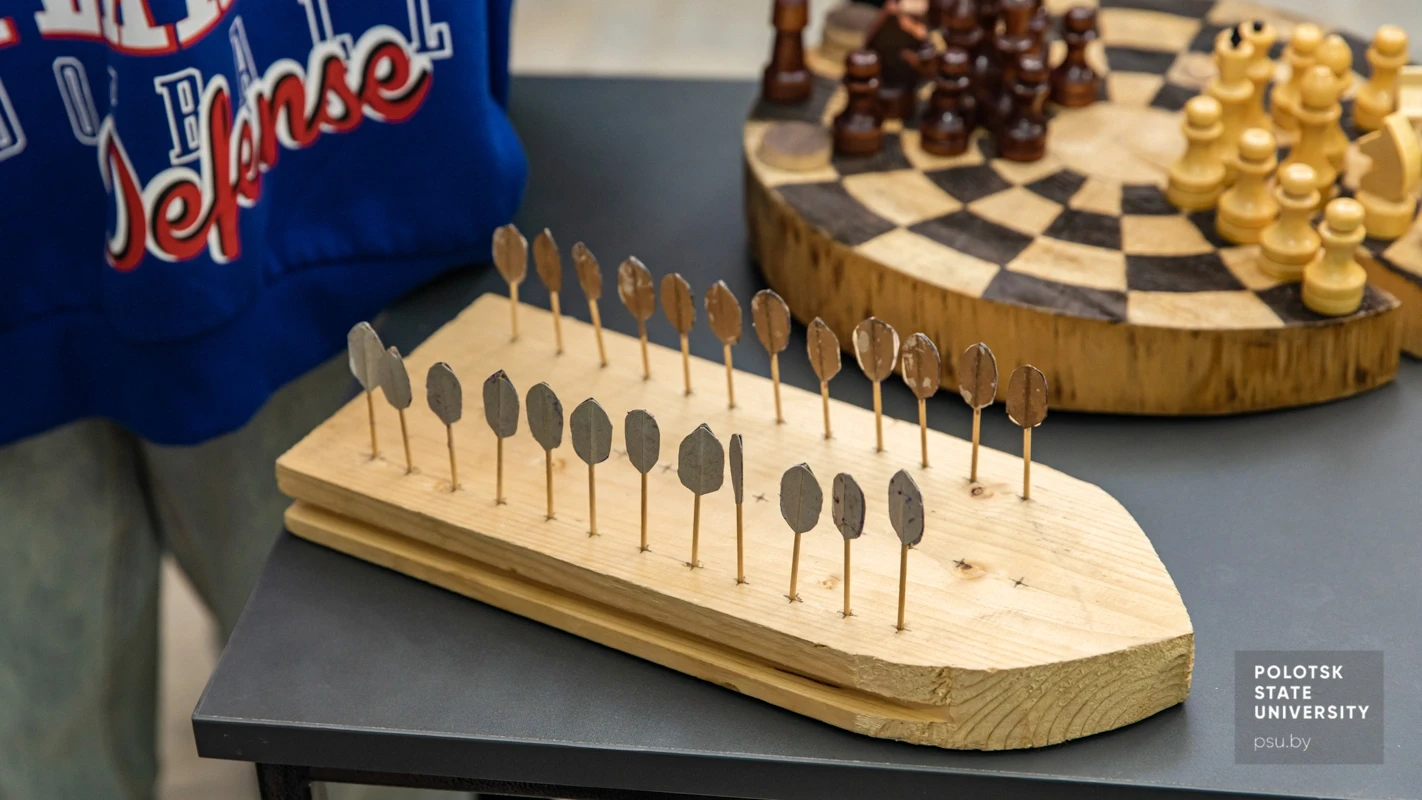
Alexander Kirienko, PhD in Engineering, Associate Professor at the Departments of Physics: ‘We have a highly competent teaching staff. This is confirmed by the many years of experience our teachers have had in various republican events. For example, Sergey Zavistovsky has been heading the judging panel of the Republican Labor Education Olympiad for a long time, and Andrey Khudyakov has repeatedly been involved in similar work. I myself have been the deputy chairman of the judging panel of the regional stage of the Republican Olympiad in Technical Labor for over six years and was a member of the judging panel at the republican level.
Some specialists joined us after successful practical activities. Valentina Yurchenko worked for many years at an artistic products factory. Her practical experience allows her to effectively teach subjects related to artistic material processing, as well as textiles and food industry. Her knowledge and competencies from practice help students successfully realize their ideas in the future.
Our department collaborates with all educational departments in the Vitebsk region. We have established partnerships with several schools in the region. Our students are ready to be accepted as teachers of technical labor and informatics from their third year. The university accommodates these students by creating an individual schedule, allowing them to study while simultaneously gaining practical teaching experience in schools. There is a high demand for graduates of this specialty, and students always have a wide choice of their first job’
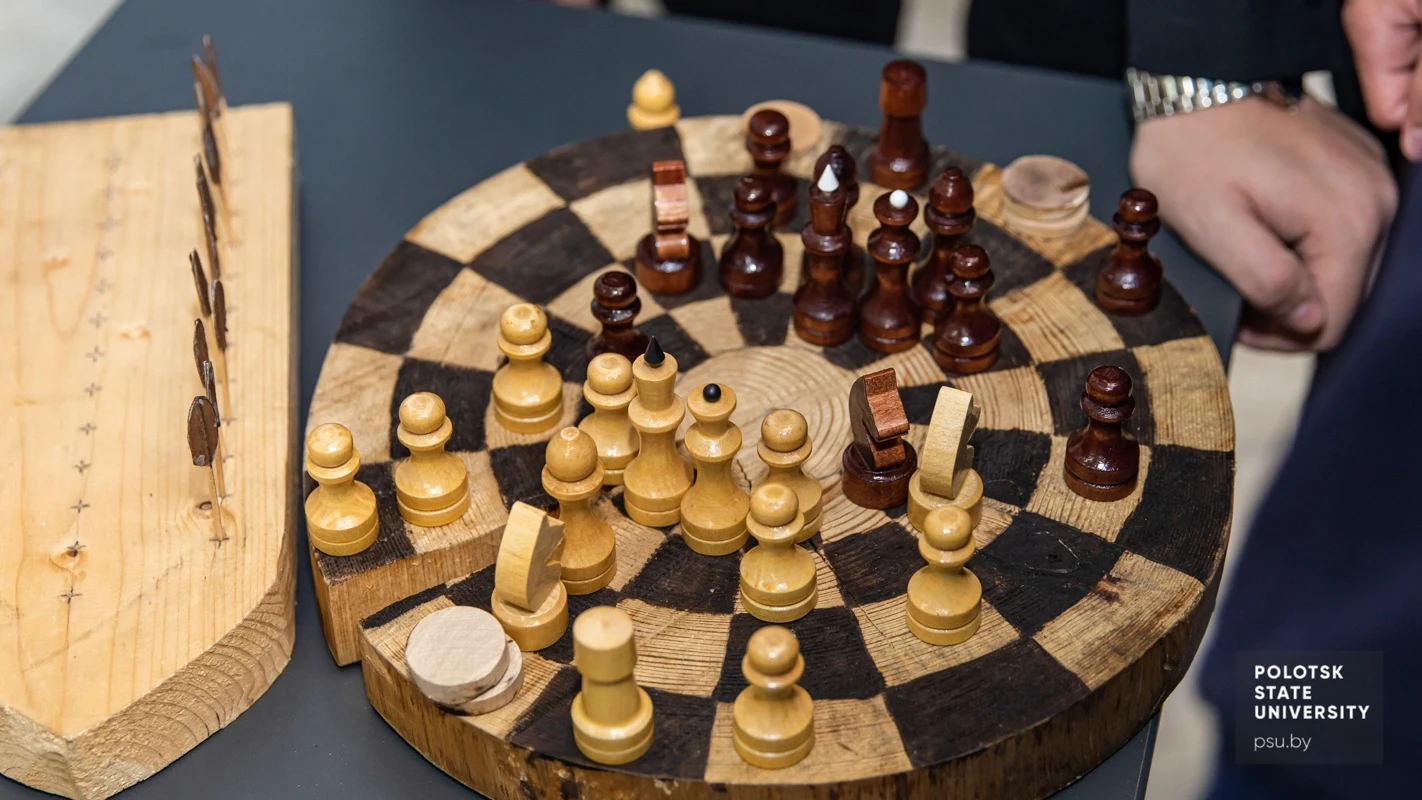
Dmitry Bogdanov, a graduate of the ‘Technological Education’ programme in 2020: ‘During my study at the university, I made numerous discoveries in the field of manual and mechanized labor in woodworking and metalworking. The studies were intensive, practice-oriented, and, most importantly, interesting. All of this was supported by strong friendships within our small group. Throughout our studies, we became practically like a family.
I would like to especially thank the people who taught us a lot in the area of practical labor education. These are respected teachers Andrey Khudyakov, Anatoly Shpakov and Alexander Andrukovich.
Like my classmates, I have no regrets about my choice of specialty, as a person skilled in manual work has always been and will continue to be in demand in modern society’
Join us to prepare for a successful career in technology education! Acceptance of documents for budgeted education will last until July 17 inclusive.

