




On October 7-8, the city of Fergana is hosting the Second Educational Forum "Innovative Cooperation: The Forum of Uzbekistan and Belarus on Higher and Professional Education". The event is attended by Yury Ramanouski, Rector of Euphrosyne Polotskaya State University of Polotsk.
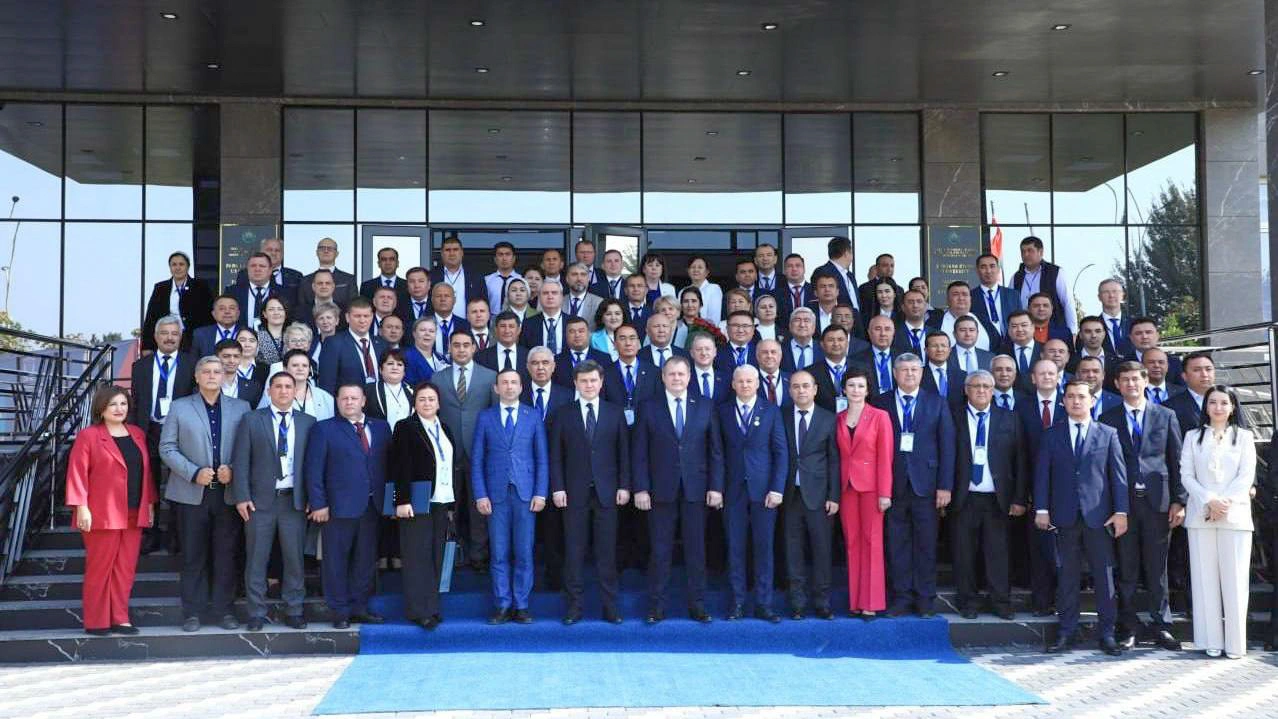
Forum participants
Years of joint work between Belarus and Uzbekistan have yielded significant results. The two countries are currently bound by more than 550 bilateral agreements. Under these agreements, over 180 joint educational programmes have been implemented in such fields as Pedagogy, Practical Psychology, Chemical Technology, Process Automation, Architecture, and Automotive Engineering.
Approximately 4,000 citizens of Uzbekistan are currently studying at Belarusian universities. Furthermore, an innovative project to establish specialized pedagogical classes has been successfully implemented with the support of the Belarusian State Pedagogical University named after Maxim Tank. The active cooperation at the interagency level and the establishment of direct contacts between the heads of educational institutions in both countries are also noteworthy.
The forum is being held at Fergana State University. The event has brought together about 40 heads of Belarusian institutions of higher and professional education, as well as leading experts in the field from all regions of the two countries. The Belarusian delegation is headed by First Deputy Minister of Education of the Repuplic of Belarus, Alexander Bakhanovich.
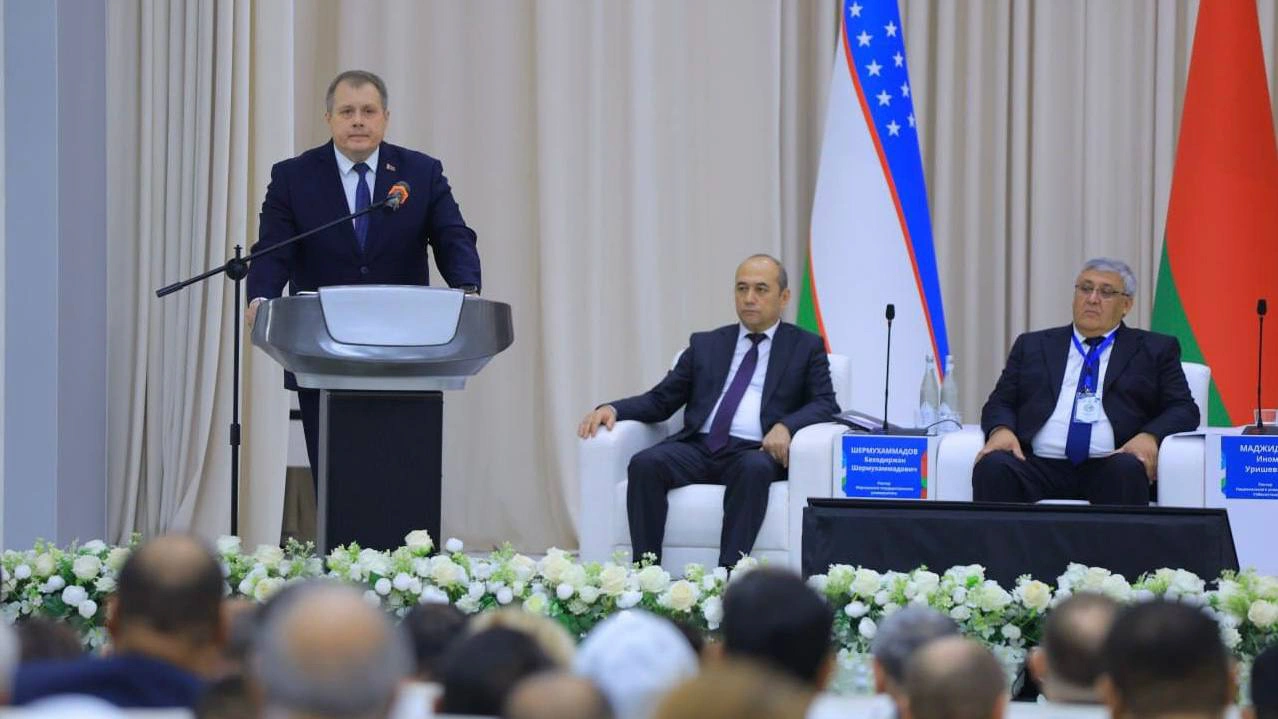
Alexander Bakhanovich
The event is aimed at strengthening partnerships between higher education institutions of Uzbekistan and Belarus. Participants are discussing pressing issues in vocational education development and joint projects in the field of innovative educational technologies.
As part of the forum, a ceremony was held at Fergana State University to open a classroom named after Yakub Kolas. During World War II, Uzbekistan provided refuge to thousands of evacuees, among whom was Yakub Kolas, who lived there from 1941 to 1943. Archival documents and memorial plaques related to his life and work in Tashkent commemorate this historical period.
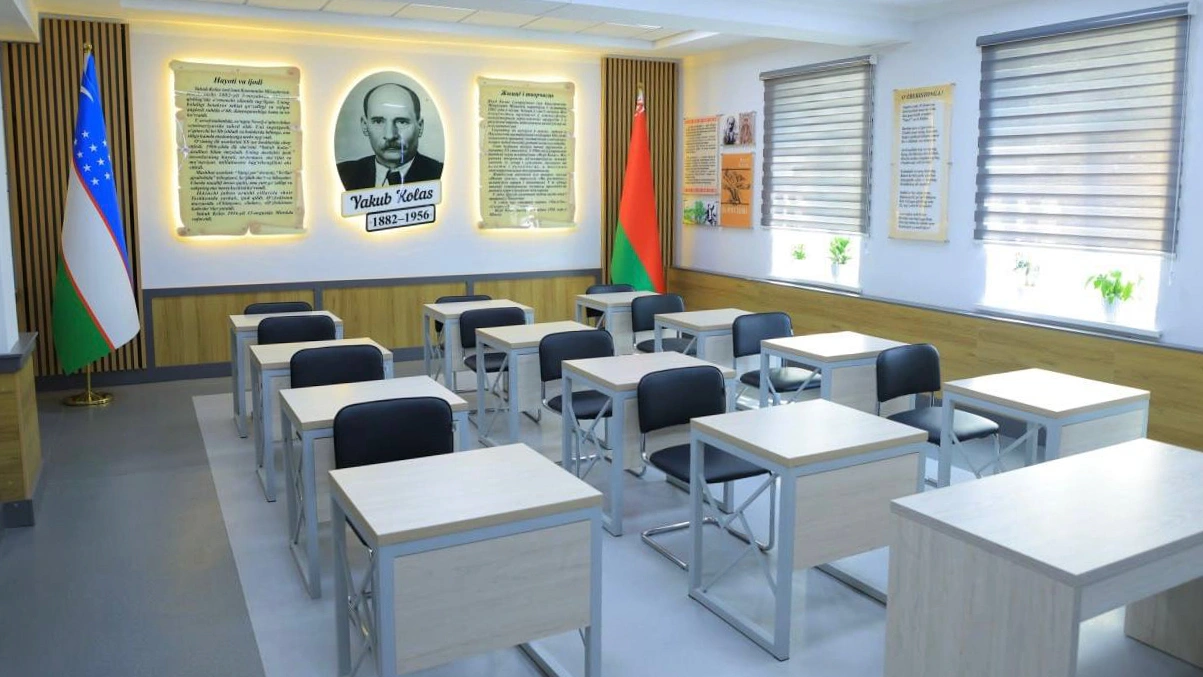
Classroom named after Yakub Kolas
At the forum's plenary session, participants discussed issues of innovative cooperation in higher and professional education. During the bilateral meetings, the parties developed initiatives aimed at deepening practical collaboration and enhancing the quality of education.
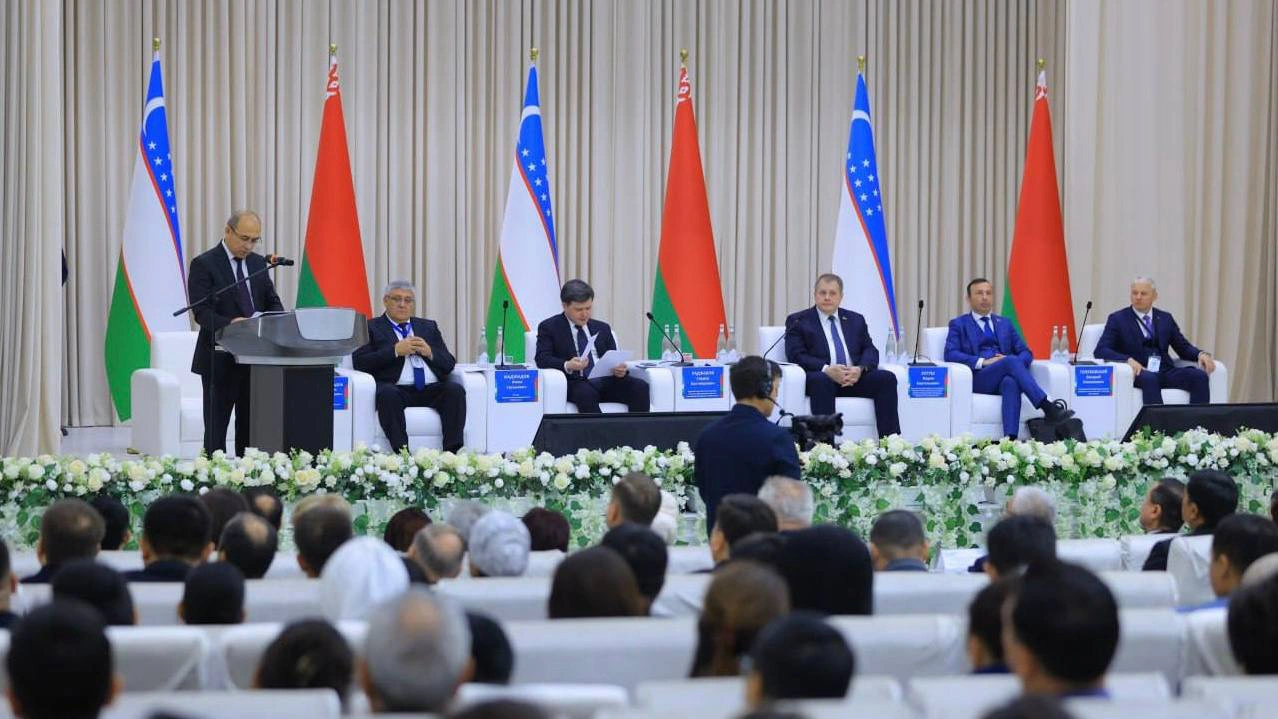
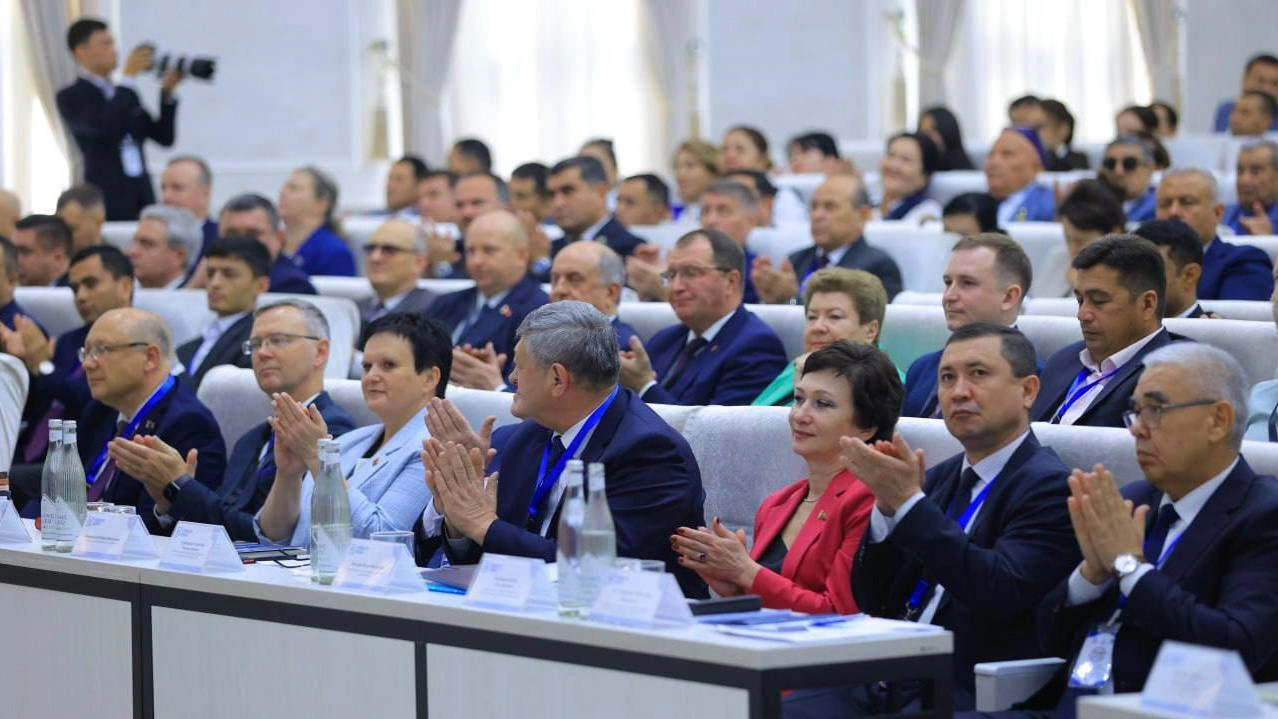
Plenary session
Forum participants visited the "Drone Racing" competition, which is aimed at enhancing professional skills and developing the knowledge and practical expertise of drone operators in the field of modern technologies.
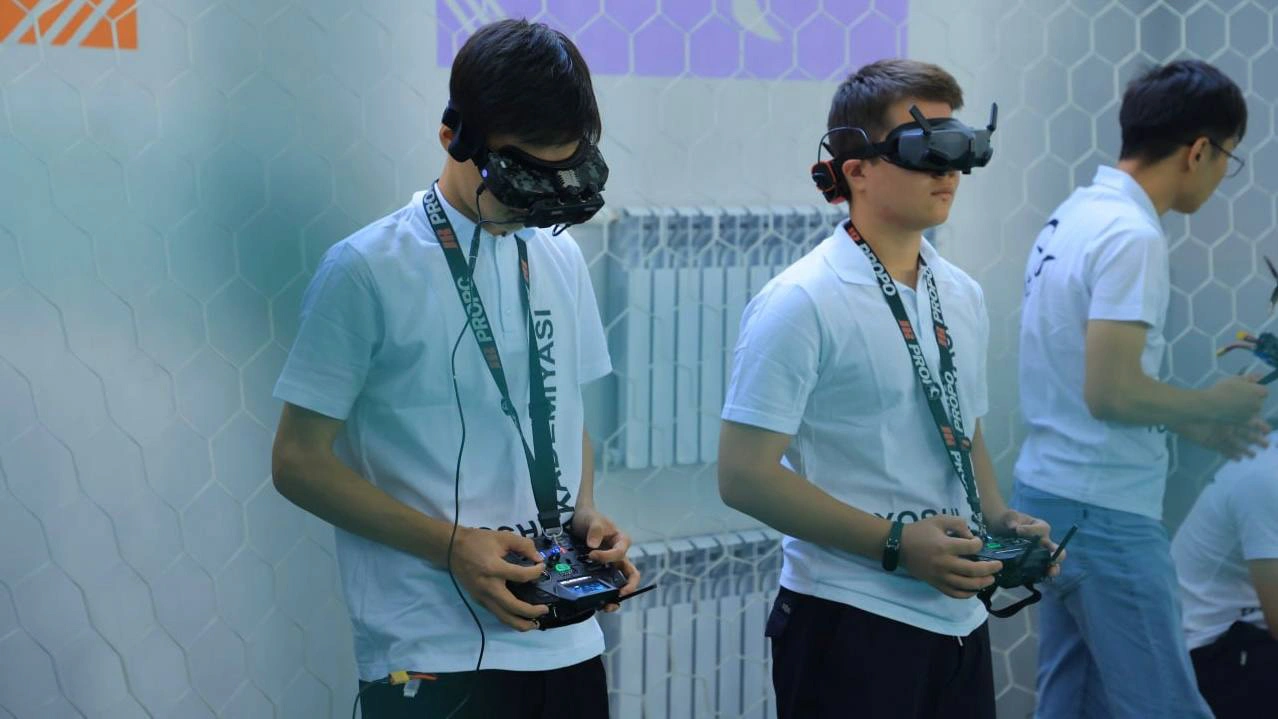
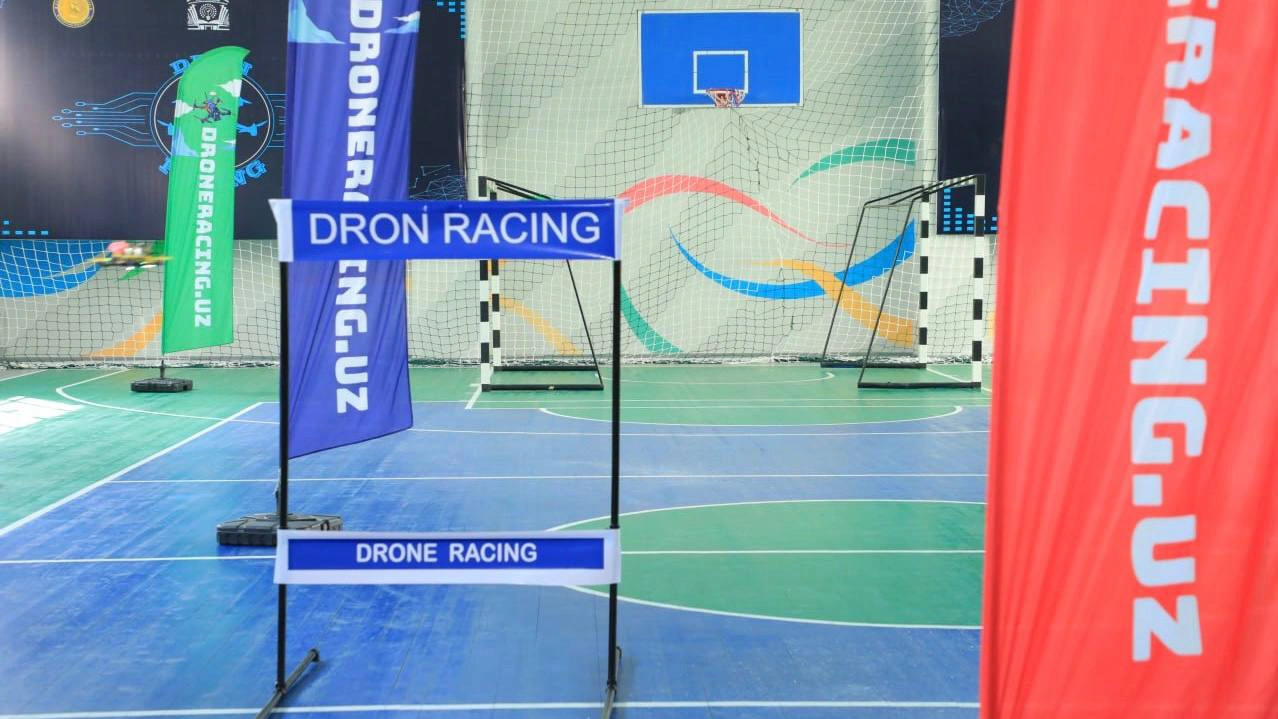
"Drone Racing" competition
Scientists, researchers, and inventors from higher and vocational educational institutions presented an exhibition of advanced developments and innovative products. The exhibition provided an opportunity to explore the world of new approaches and digital technologies, as well as to exchange professional experience and scientific knowledge.
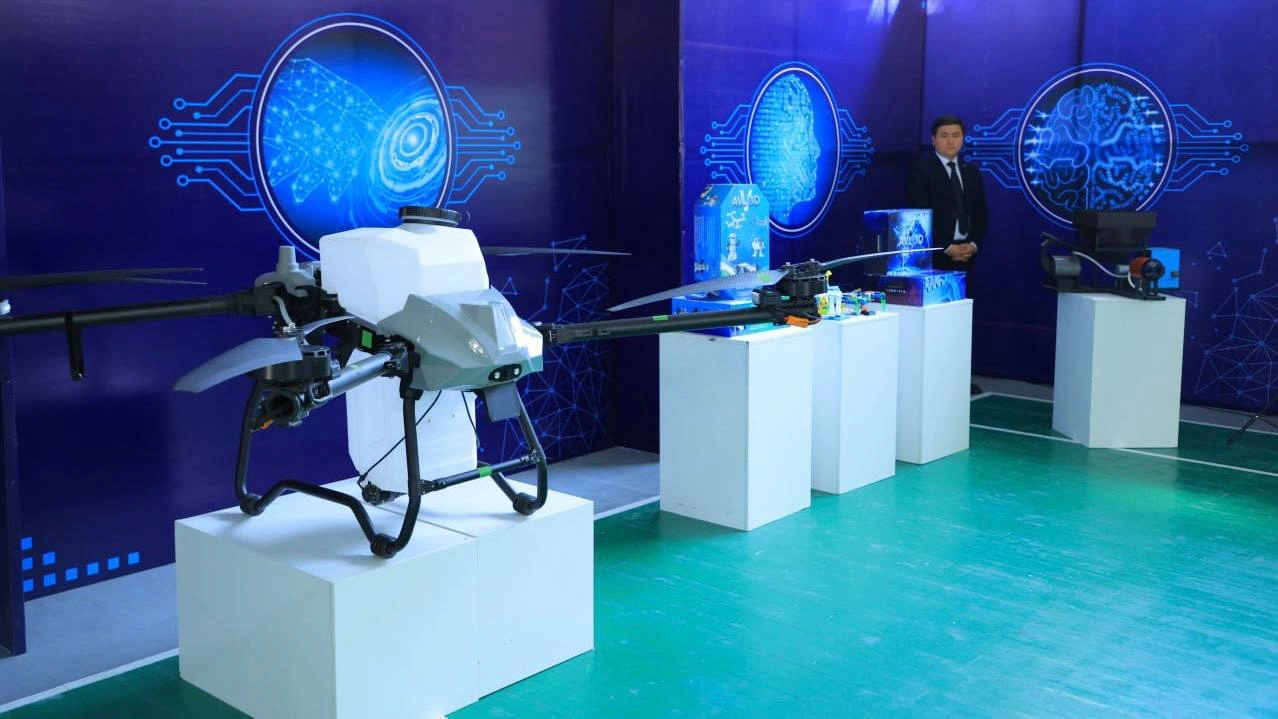
Exhibition of advanced developments
Approximately 30 memorandums of understanding, cooperation agreements, and roadmaps were signed as part of the forum. Rector Yury Ramanouski signed a cooperation agreement with Karshi State Technical University and a Memorandum of Understanding with Fergana State University.
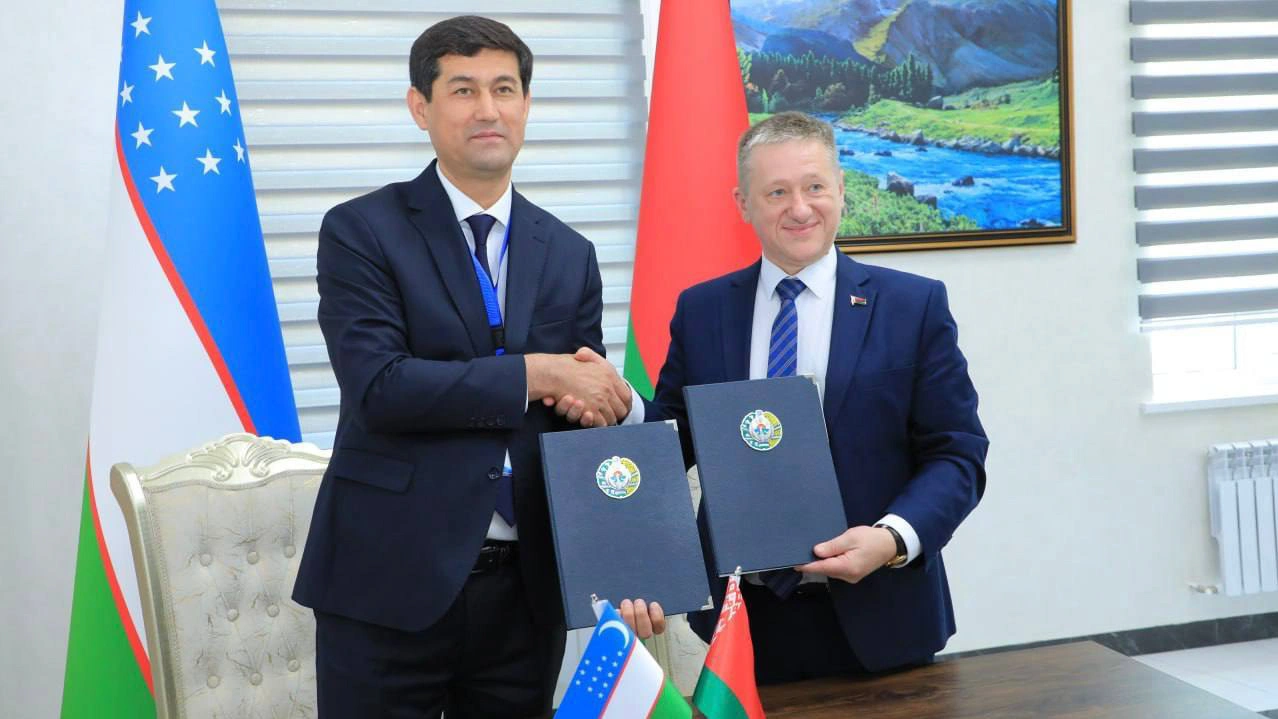
Yury Ramanouski and Sherzod Nematov, rector of Karshi State Technical University
According to the signed documents, the parties will jointly develop educational programmes and conduct scientific research. The partners intend to develop integration projects, create joint research and educational structures, and implement academic mobility programmes for students and faculty. Particular attention will be paid to the exchange of scientific results, methodological materials, and best teaching practices.
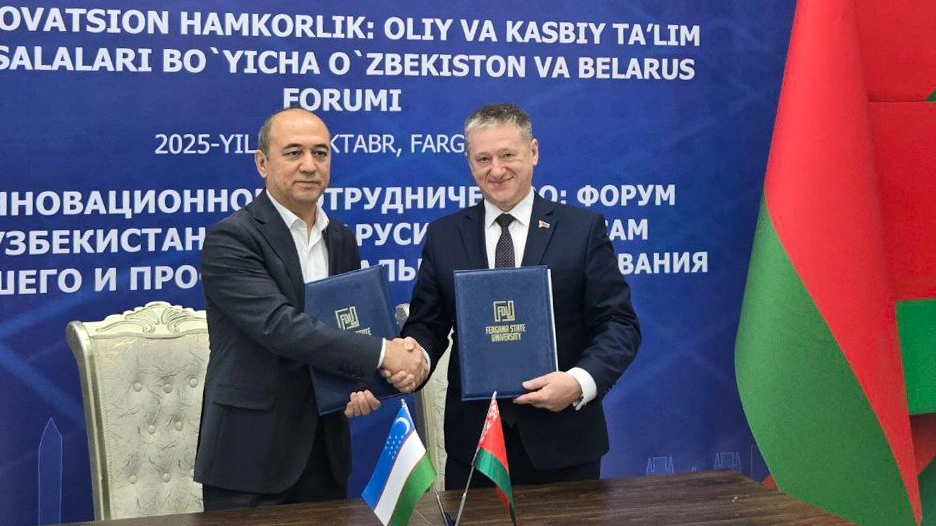
Yury Ramanouski and и Alisher Khaitbaev, rector of Fergana State University
The forum's work continued with section meetings. Rector Yury Ramanouski presented a report titled "The Scientific and Educational Potential of Euphrosyne Polotskaya State University of Polotsk as a Foundation for Partnership with Higher Education Institutions of the Republic of Uzbekistan".
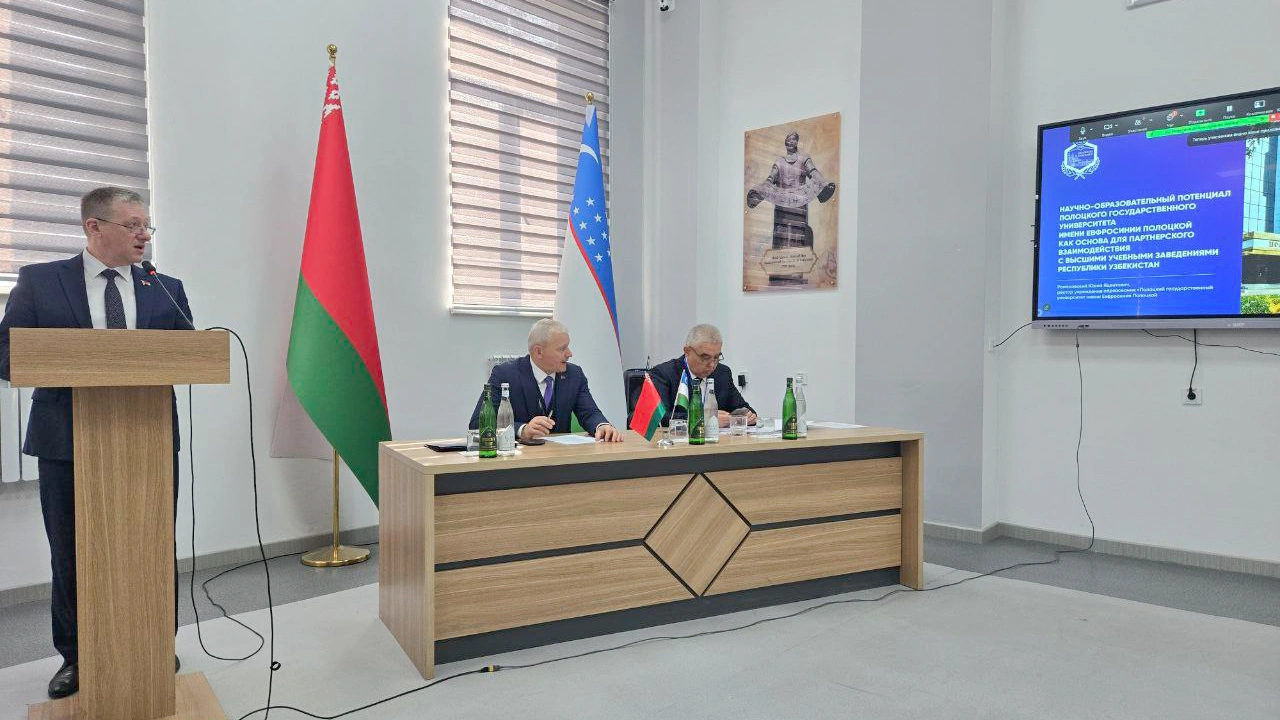
Yury Ramanouski
A delegation from Uzbekistan and Belarus visited the Margilan Crafts Center, which uniquely combines craft, history, and art. The participants observed with great interest the process of weaving atlas and adras fabrics, carpet making, sewing, and jewelry art. The exhibition of national costumes was a particular highlight for the guests, where the vibrant garments reflected the rich cultural heritage and modern perspectives of the Uzbek people.
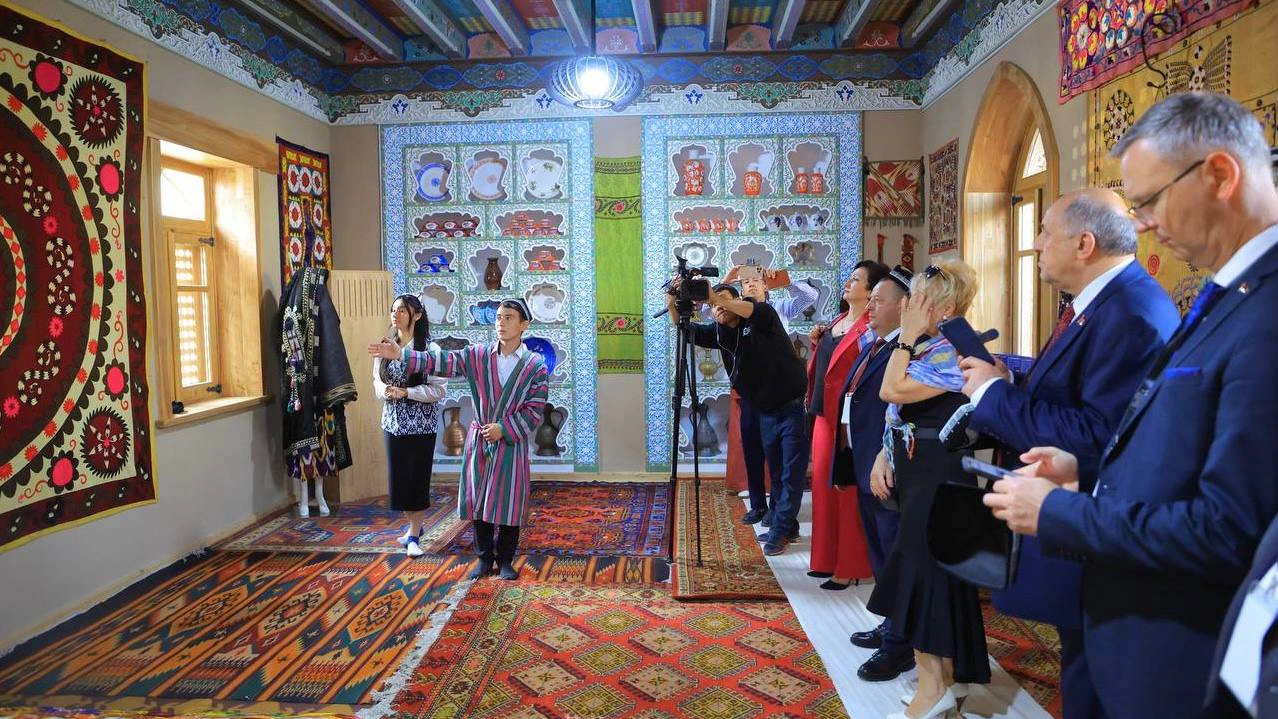
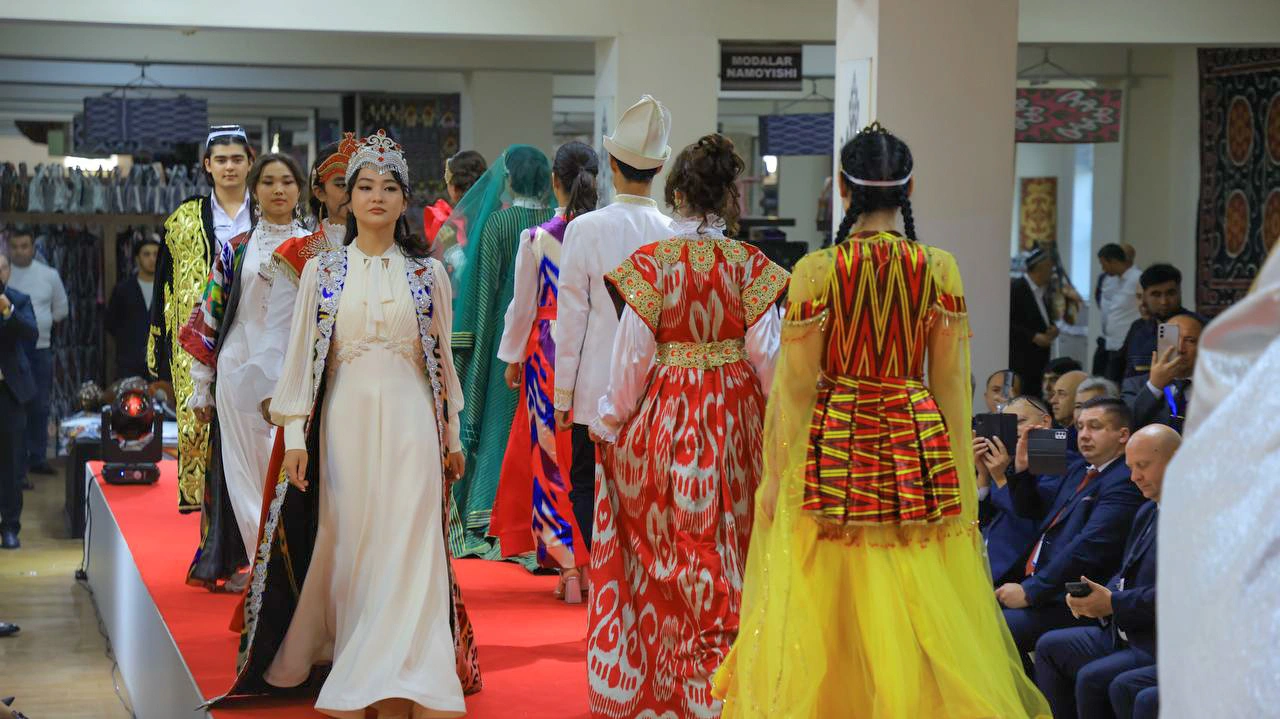
Crafts Center
The Second Uzbekistan-Belarus Educational Forum served as an important platform for sharing experience in the field of higher education. Participants discussed the implementation of innovative technologies, joint programs, and research initiatives. Holding the forum is a step towards creating a sustainable educational ecosystem capable of responding to the challenges of our time and ensuring the competitiveness of graduates on the international stage.

