




Electric Power Industry and Electric Engineering
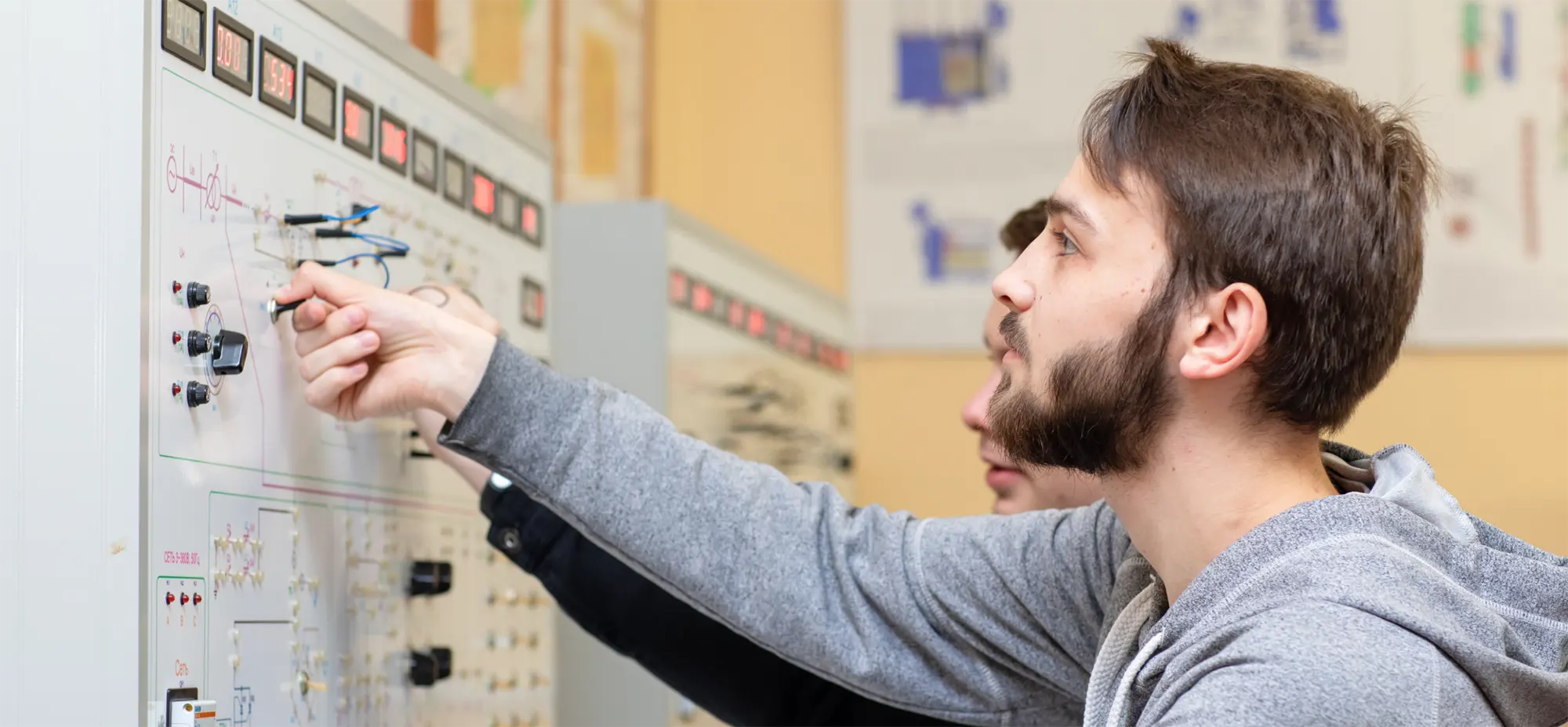
Qualification given: Master / Power Engineer
Faculty: Faculty of Computer Science and Electronics
Department: Department of Power Engineering and Electronics
Study period: full-time – 5 year
The electrical power industry includes the production, transmission and consumption of electricity. It is the most important branch of energy. The electrical power industry is used in everyday life, industry and agriculture and is constantly developing. It is impossible to imagine our life without electricity.
Training in the specialty will allow you to become an excellent and in-demand specialist in this industry. The advantages of the profession are an important and interesting job, the possibility of continuous development and high wages. The training includes lectures, practical training and course project. Students study examples of electrical equipment and learn to work in modern computer programs.
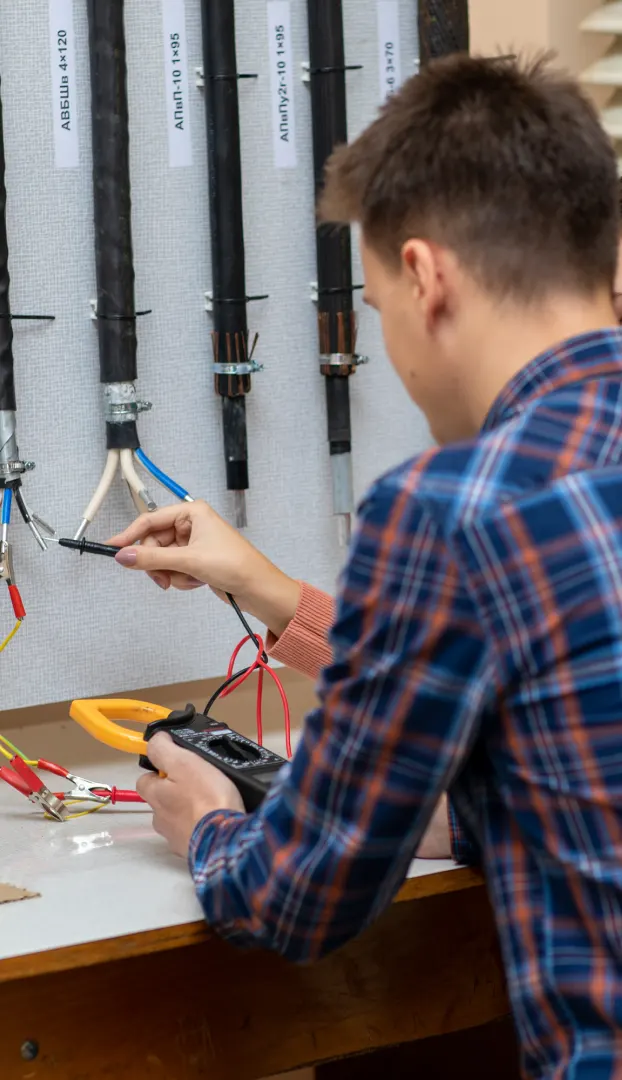
Skills and competencies
- Design of individual elements and electric power supply systems as a whole
- Installation, adjustment, testing, repair and maintenance of electric power objects
- Management of technological processes, divisions of the electric power profile
- Design and configuration of relay protection and automation systems of electric power systems
- Development of new electrical equipment and new technological processes
- Implementation of energy-saving technologies and equipment
Graduate destinations
- High demand in graduates.
- Enterprises of electric networks of State Production Association Belenergo, Joint stock company Naftan, Joint stock company Polotsk-Steklovolokno, Republican unitary enterprise Belarusian NPP, energosbyt, energonadzor, projects organizations

Professional activity
- Execution of works on design, installation, commissioning, operation of electric power installations and devices, production, conversion, transmission, distribution and consumption of electric energy.
- Professions in which graduates work: a commissioning engineer, an operations engineer, an engineer for calculations and modes of the operational dispatch service of a network enterprise, an energy engineer, an inspector of electrical inspectorate.
Educational programme
- Basic engineering training
- Engineering graphics
- Structural materials
- Applied Mechanics
- Information technology
- Energy practice (educational)
- Metrology, standardization and conformity assessment
- Computer-aided design tools in the energy sector
- Electrical and electronics engineering
- Thermal power engineering
- Theoretical thermal engineering
- Production and distribution of electric power
- Scientific and innovative activity
- Environmental and energy sustainability
- Relay protection and automation
- Energy efficiency, economics and organization of production
- Power supply systems
- Installation and operation of electrical equipment
Do you have any questions?
Email:

