




Heat supply, ventilation, air-conditioning, gas supply and electricity
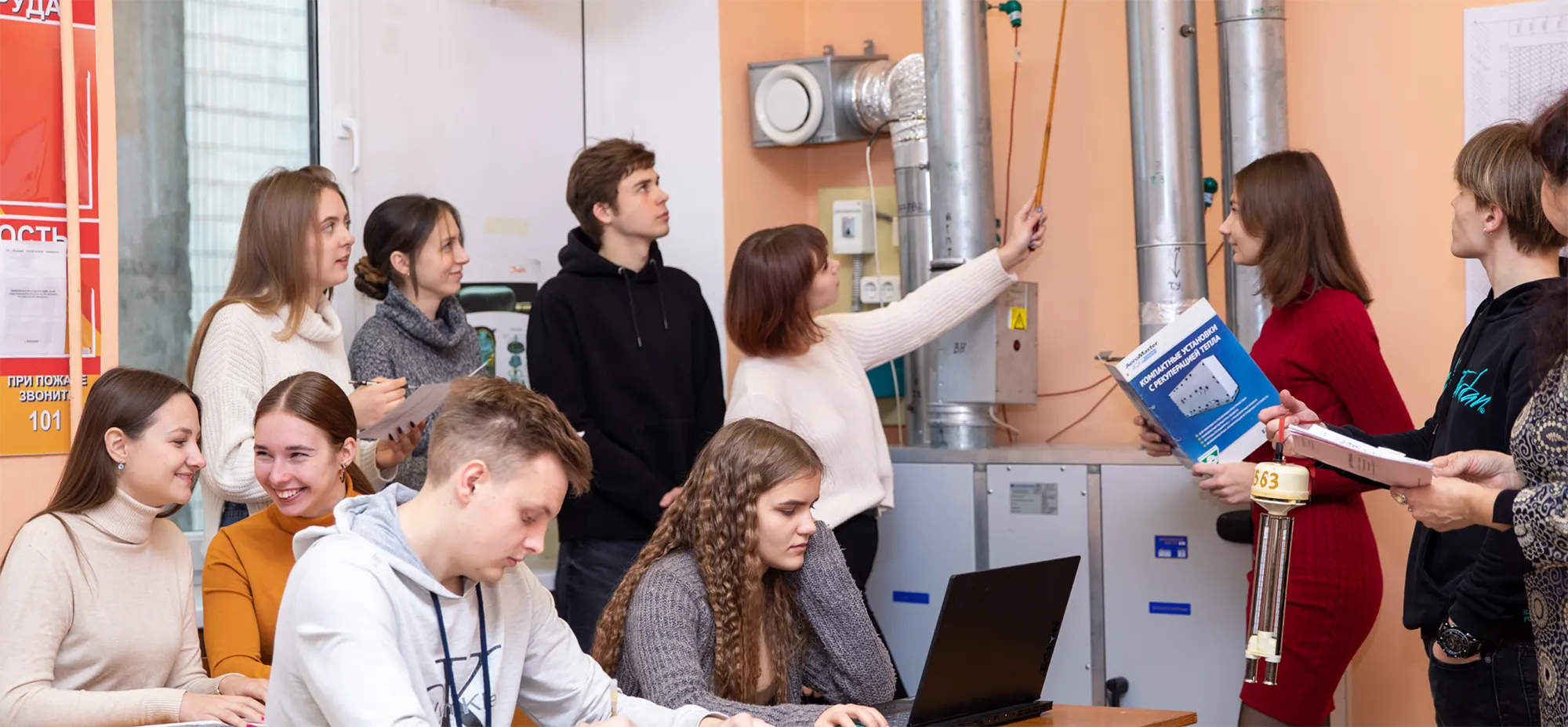
Qualification given: Researcher in the field of Engineering sciences
Academic degree: PhD in Engineering sciences
Faculty: Faculty of Civil Engineering
Department: Department of Heat, Water and Gas Supply, and Ventilation
Forms of study: full-time — 3 years / part-time — 4 years / independent degree seekers — 5 years
Heat supply, ventilation, air-conditioning, gas supply and electricity is a field of science and engineering including:
— formation and management of microclimate and light comfort in buildings and constructions;
— development of systems and facilities for supplying heat, gas and cold to various consumers.
— development of systems and means of lighting for various purposes.

Areas of study
- Methods for the calculation and research of heating, ventilation, air conditioning, gas supply, lighting, and noise protection systems.
- Heating, cooling, ventilation, and air conditioning in buildings of various purposes.
- Aspiration and pneumatic transport.
- Heat supply for cities, towns, industrial and residential facilities.
- Calculation, design, construction, and operation of gas supply systems.
- Protection of the air environment from emissions and treatment of ventilation discharges.
- Optimization of consumption and energy savings for thermal energy and fuel.
- Heat-generating sources and stations for the utilization of low-temperature thermal energy resources.
- Heat recovery and use of secondary energy resources.
- Installation, modernization, and reconstruction of heat supply, ventilation, gas supply, and lighting systems.
- Noise and vibration protection.
- Optimization of parameters for lighting comfort in buildings and premises.
Professional competencies
- Deep knowledge in thermodynamics, aerodynamics, refrigeration technology, electrical engineering, and building physics.
- Understanding of physical processes in engineering systems of buildings.
- Knowledge of mathematical modeling and design methods.
- Ability to formulate scientific hypotheses and research tasks.
- Skills in conducting experiments and analyzing data.
- Proficiency in developing schemes and documentation.
- Mastery of calculation methods for system parameters and operating modes, considering efficiency and environmental sustainability.
- Ability to implement innovative technologies.
- Project management skills.
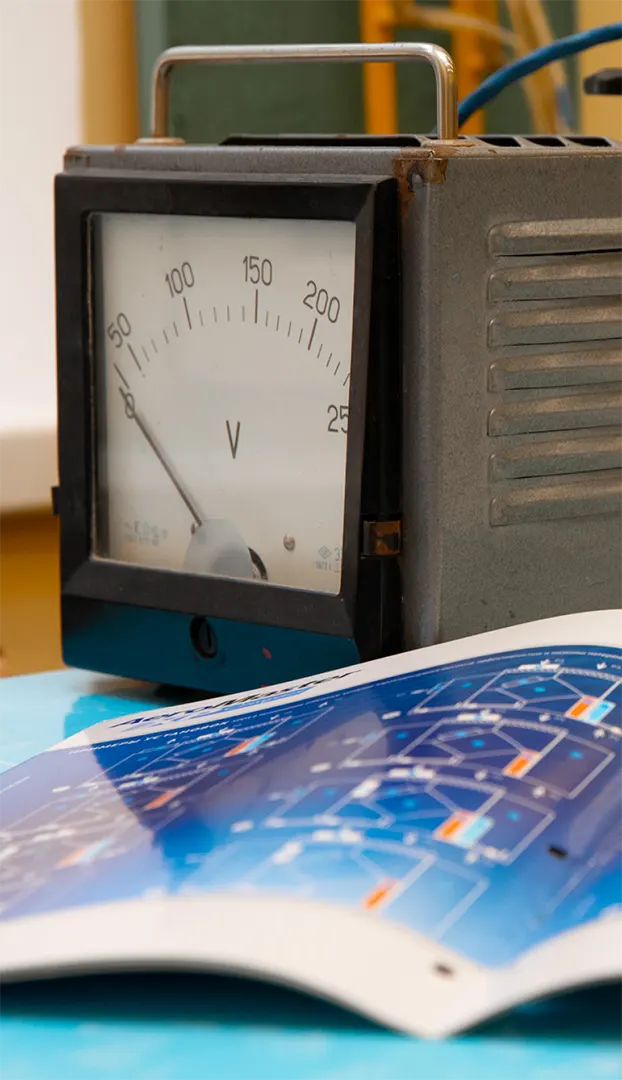
Graduate destinations
- Scientific research activities.
- Teaching at higher education institutions.
- Research Assistant at scientific research institutes developing new engineering systems and technologies in the fields of heating, ventilation, air conditioning, gas supply and lighting.
- Leader of research projects aimed at improving energy efficiency and resource conservation in building engineering systems.
- Expert analyst in evaluating the effectiveness and environmental sustainability of engineering solutions.
- Chief engineer in the engineering systems department of design and construction organizations.
- Developer and implementer of new engineering solutions for energy conservation and automation of systems.
- Consultant and business analyst in the field of strategic management of investment, construction, and energy projects.

