




On February 19, the Minister of Education of the Republic of Belarus, Andrei Ivanets, visited Euphrosyne Polotskaya State University of Polotsk
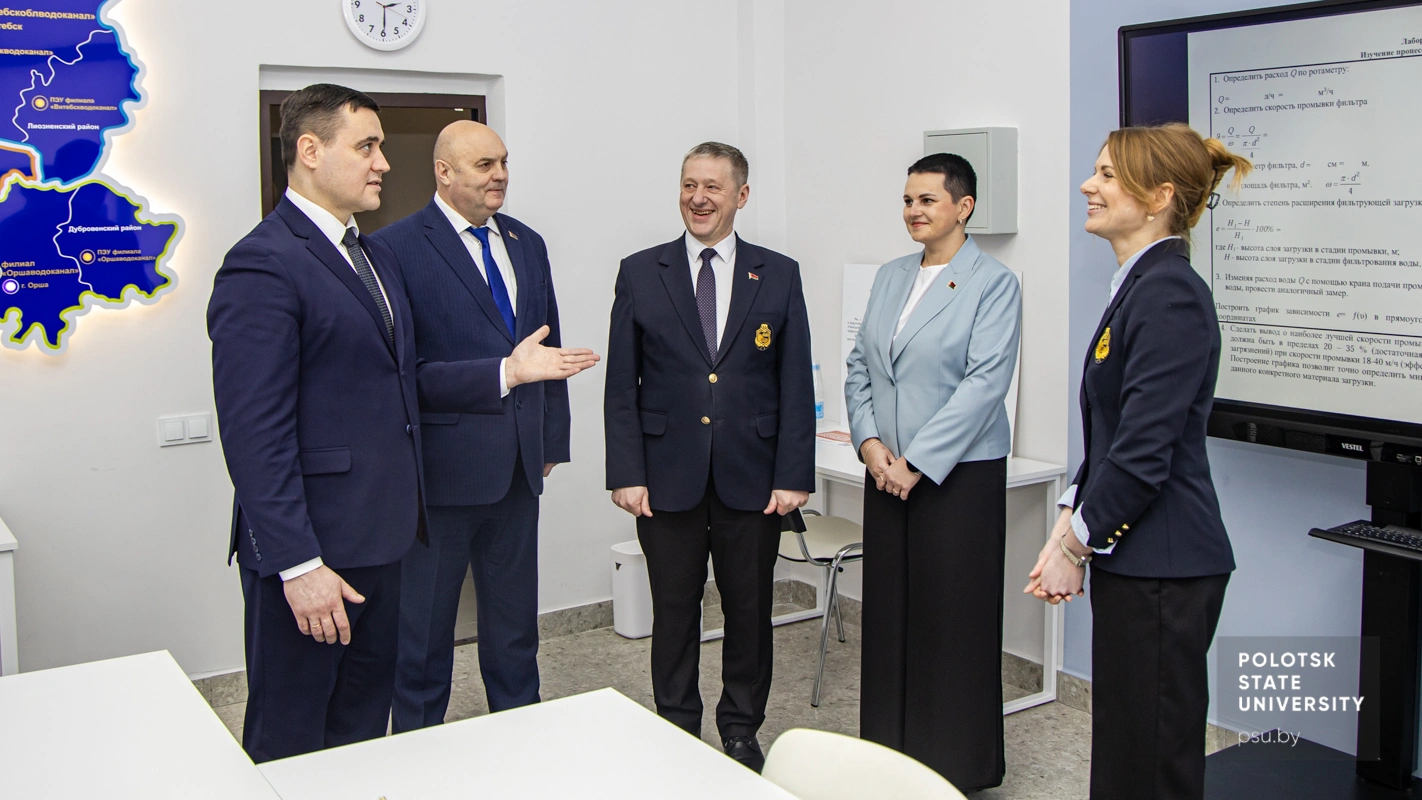
Excursion to the natural and wastewater treatment laboratory
The Competence Center in the field of Construction and Engineering Networks hosted the Minister's working visit, which began with a tour of its laboratories. The functionality of the laboratories, created in collaboration with the Vitebskoblvodokanal Unitary Enterprise, was presented by senior lecturers from the Department of Heat, Water and Gas Supply and Ventilation, Elena Velyugo and Ekaterina Lesovich.
Water Supply and Sewage Systems Laboratory is designed to train specialists across all qualification levels —from installation technicians and maintenance crews to design engineers. It replicates the full technological cycle of water supply and sewage for a country house, covering everything from drawing water from a well to treating wastewater. The training rigs are equipped with pressure tanks (hydroaccumulators), filtration systems, drainage devices, and local treatment facilities.
The equipment lets students do a lot of different hands-on tasks. These tasks include figuring out how to use pumps, designing and setting up engineering networks, and setting up both automatic and manual controls. Students also do laboratory tests on water quality, test systems for filtering and releasing wastewater, and learn how to run and take care of local treatment facilities. The main goal is to make sure that students not only learn how to design things but also how to install, set up, and troubleshoot real systems.
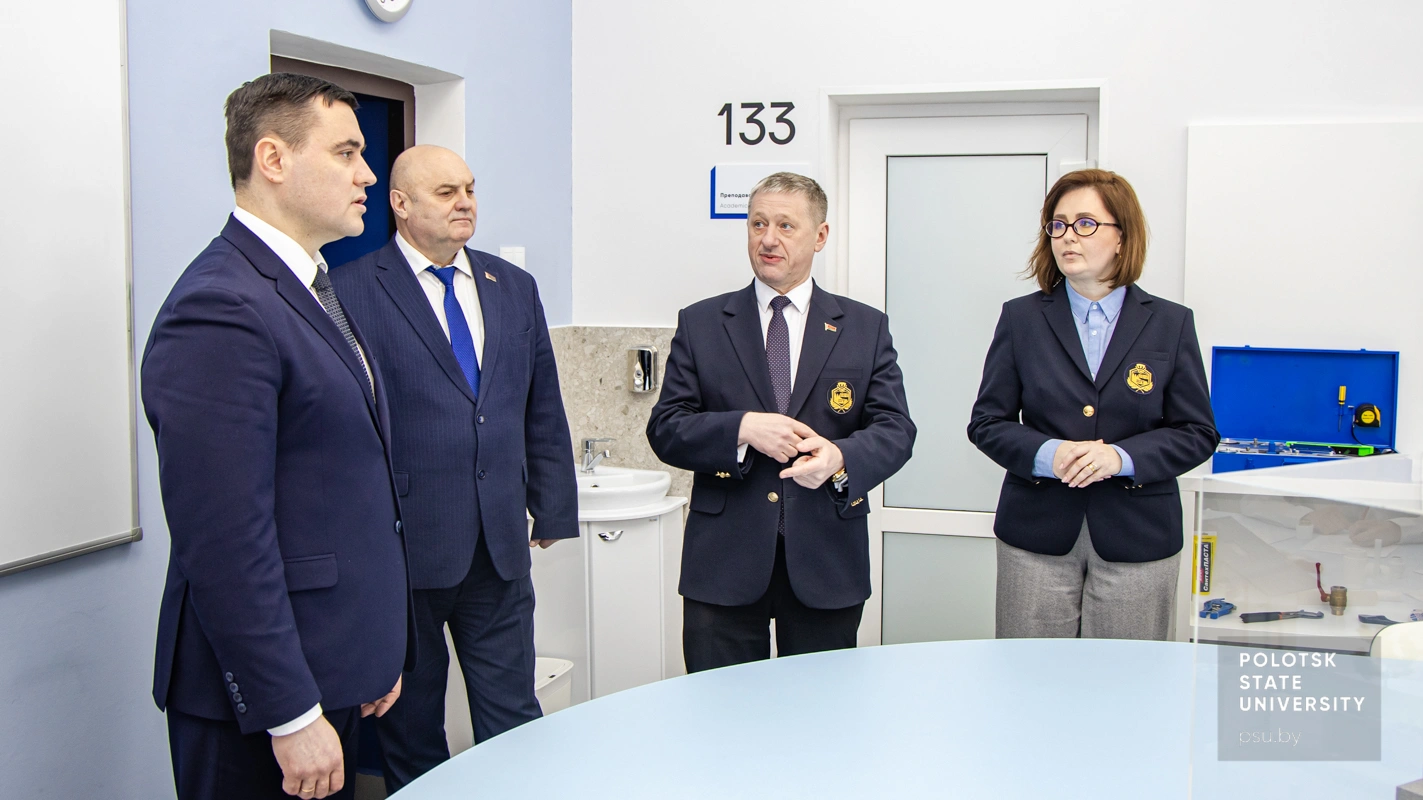
Excursion to the laboratory for water supply and sewage systems equipment
Water Treatment Research Laboratory is equipped with a multifunctional research complex that can simulate the treatment of various water types – from surface water to groundwater. It allows to test complete three-stage treatment trains as well as individual technological processes. Here, students and researchers can evaluate the performance of different coagulants, flocculants, and filter media to identify the most effective and cost-efficient solutions for specific conditions.
The laboratory complex includes a research module designed to simulate the actual operating conditions of iron removal stations currently used in Belarus. It also features a pilot-scale model of biological treatment in the form of aeration tanks. A key advantage of the facility is the ability to conduct controlled experiments to study aeration efficiency and investigate hydrodynamic regimes – tasks that are difficult to perform at existing full-scale facilities. Through hands-on work, students learn how different aeration modes impact treatment efficiency, ensuring they graduate as industry-ready engineers with practical, job-ready competencies.
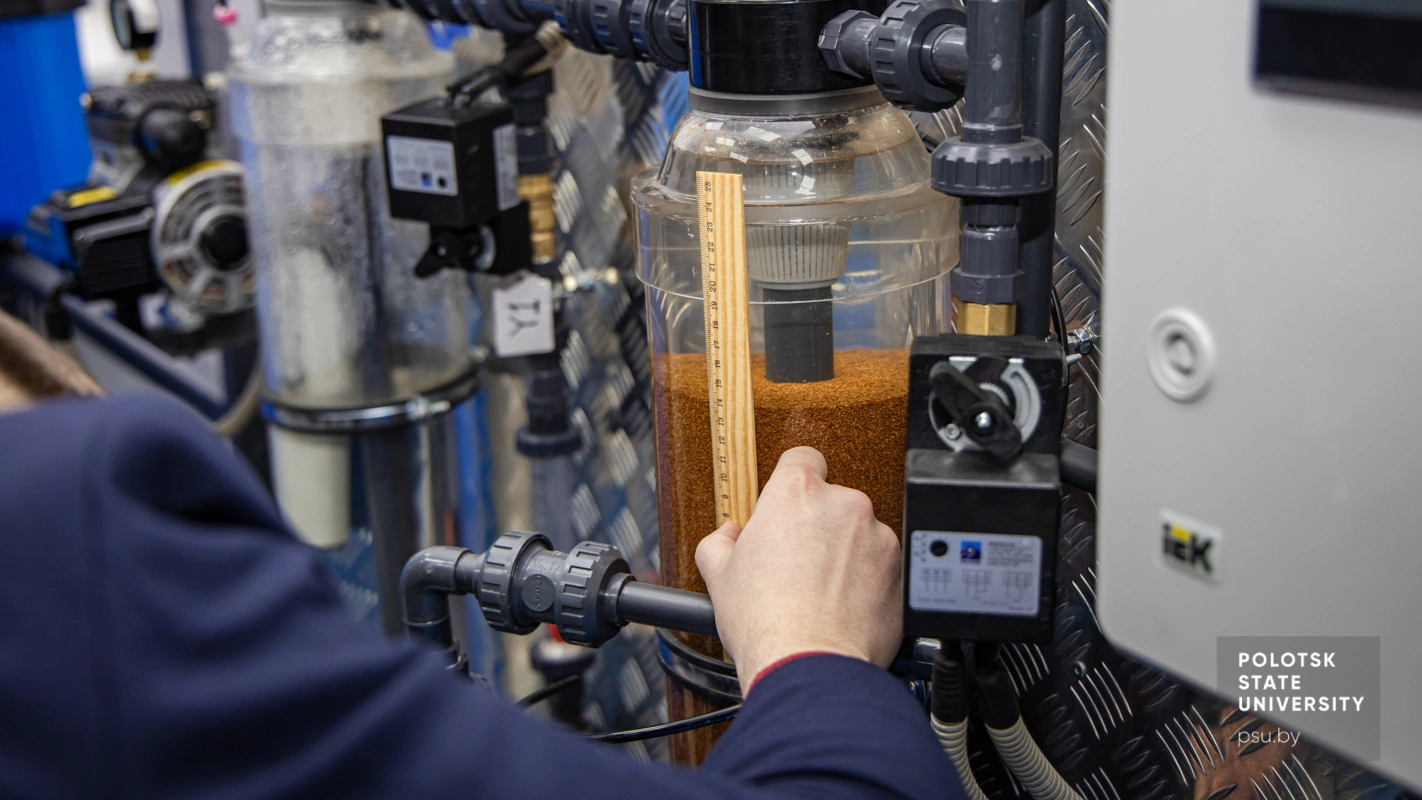
Equipment for the laboratory of natural and wastewater treatment
Alexander Kirienko, head of the Department of Physics, presented the Woodworking Technology Laboratory, where students master the complete production cycle – from marking and sawing to artistic burning (pyrography) – under the guidance of experienced lecturers. The lab features display stands showcasing outstanding student work, as well as unique workbenches designed and built with direct student involvement.
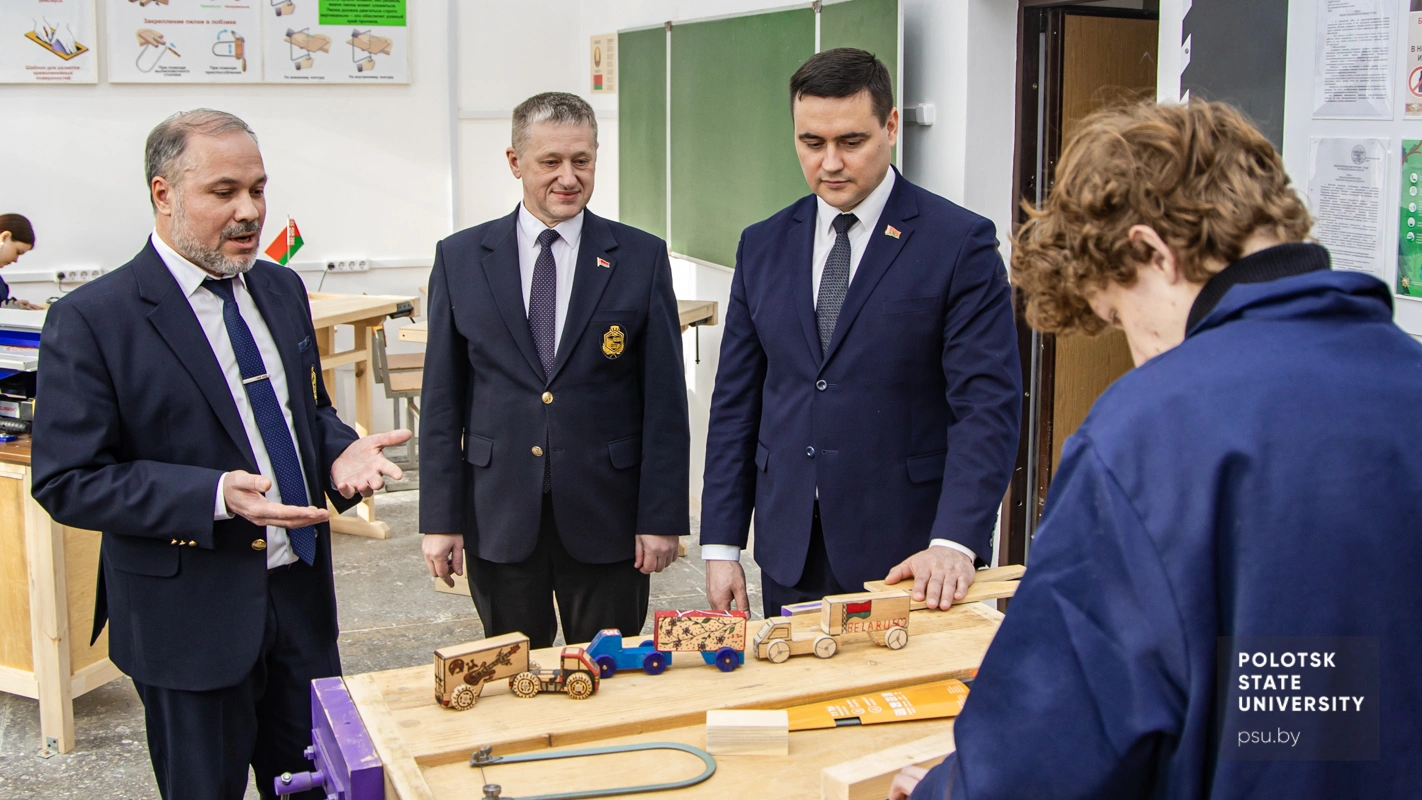
Excursion to the Woodworking Technology Laboratory
During the visit, Rector Yury Ramanouski presented the Minister with certificates recognizing two workbenches built by university staff and students. Available in basic and advanced configurations, these workbenches are designed to furnish a school training workshop, marking an important step forward in modernizing the nation's vocational education system.
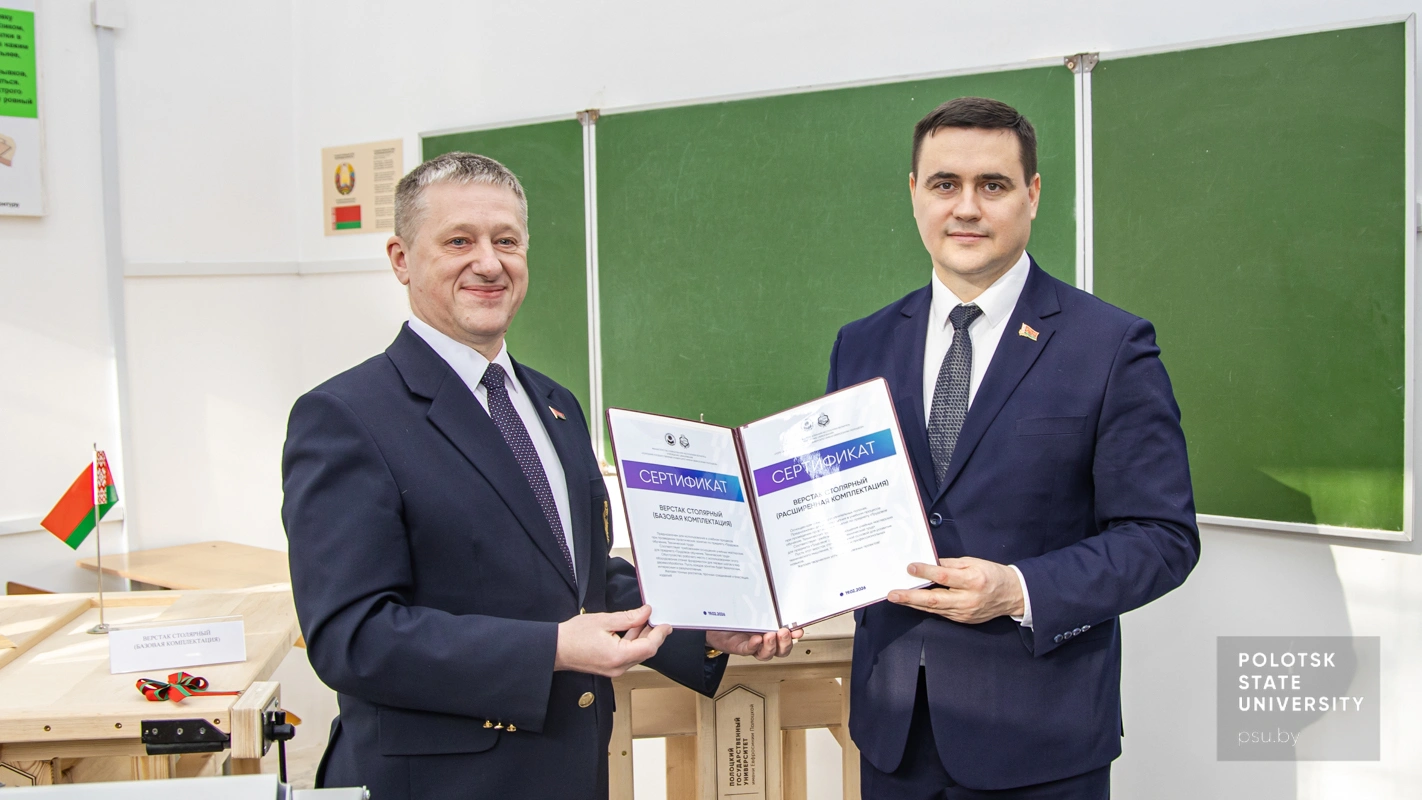
Yury Ramanouski and Andrei Ivanets
In collaboration with Vitebskoblgaz Unitary Enterprise, Polotsk University has established an Innovative Digital Twins laboratory. It is the first engineering training facility to utilize a comprehensive range of Belarusian-made digital products that mirror real-world industry tools in real time. A specialized software and network infrastructure provides the university with continuous access to updated versions of these digital tools, ensuring that all training scenarios reflect current industrial practices and standards.
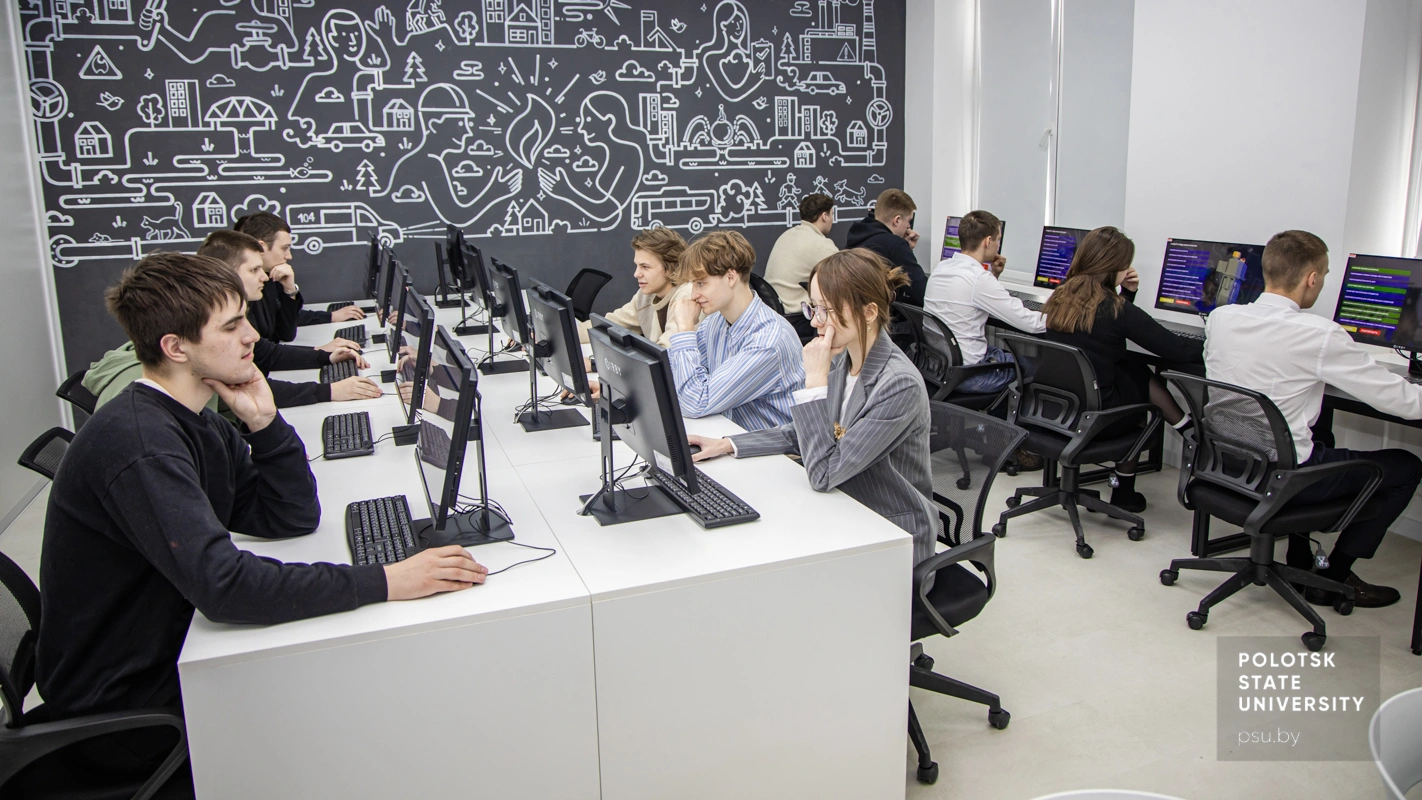
Innovative Digital Twins laboratory
Alexander Niyakovsky, head of the Department of Heat, Water and Gas Supply and Ventilation, spoke about the ongoing work to create an air conditioning laboratory jointly with Veza-G LLC, as well as the already operational heating supply laboratory.
The heating supply laboratory focuses primarily on measuring and monitoring heat transfer fluid parameters in heating and water supply systems, as well as understanding the operating principles of heating points and boiler equipment. Using specialized training rigs, students test and analyze the hydraulic characteristics of pumping equipment under various operating conditions, including different configurations when connected to pipeline networks. Through hands-on classes, they learn to effectively manage processes related to the energy efficiency and safety of heat exchange units.
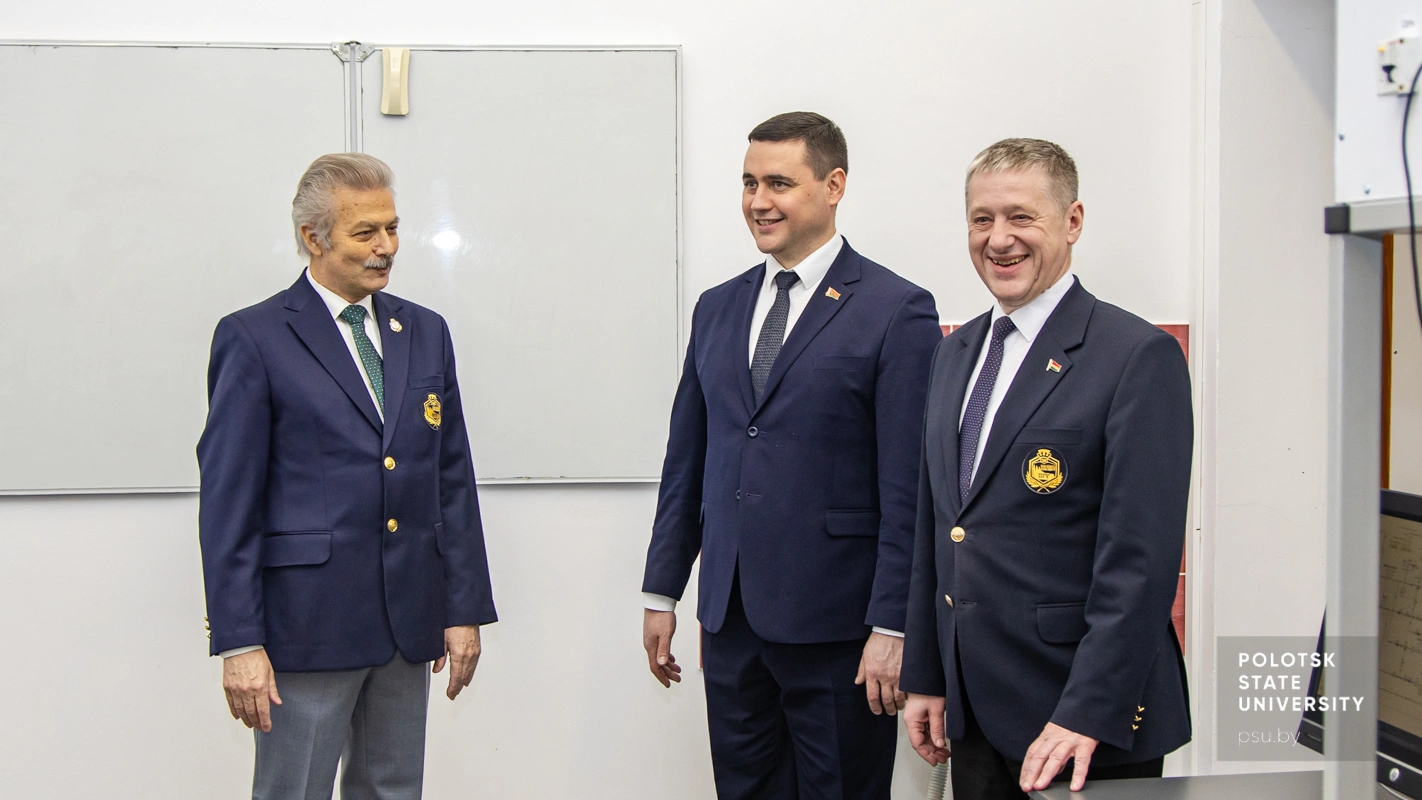
Excursion to the heating supply laboratory
The next stop on the tour was the "Engineer of the Future" technology interest center, a unique space that fosters a four-way interaction between school students, university students, lecturers and scientists, and engineering professionals. In this collaborative environment, qualified lecturers deliver theoretical knowledge and practical experience to students in specialized engineering classes. Practicing engineers and technical specialists from various industries assist these young learners in applying their knowledge to real-world situations. They also provide invaluable guidance to help shape the students' future careers.
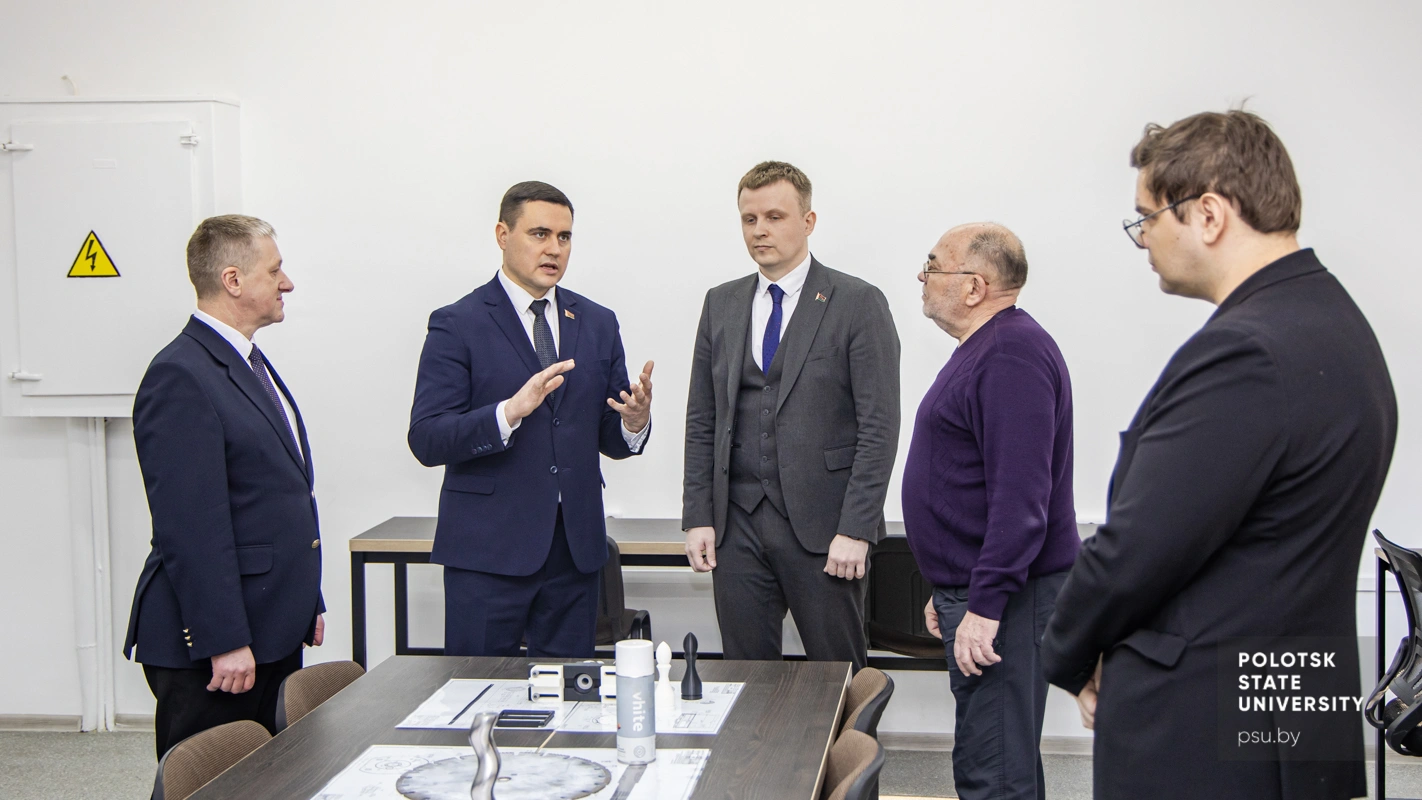
"Engineer of the Future" technology interest center
Andrei Ivanets took part in a meeting with faculty representatives and student government bodies. During the session, Yury Ramanouski presented the University Development Programme for 2026–2030. The overarching goal for the upcoming period is to cultivate research-oriented professionals committed to their country, grounded in quality education and universal human values, while aligning with national priorities and the needs of society.
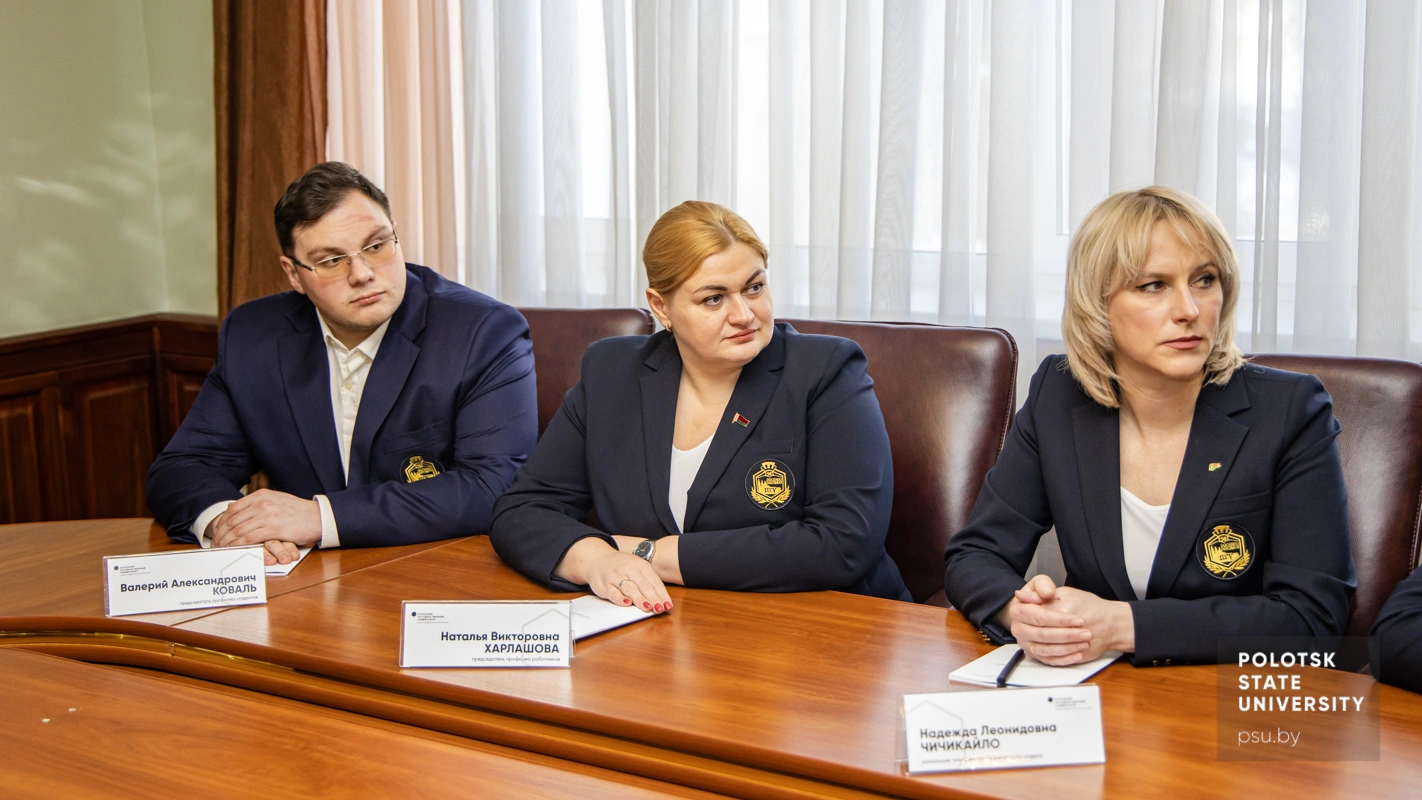
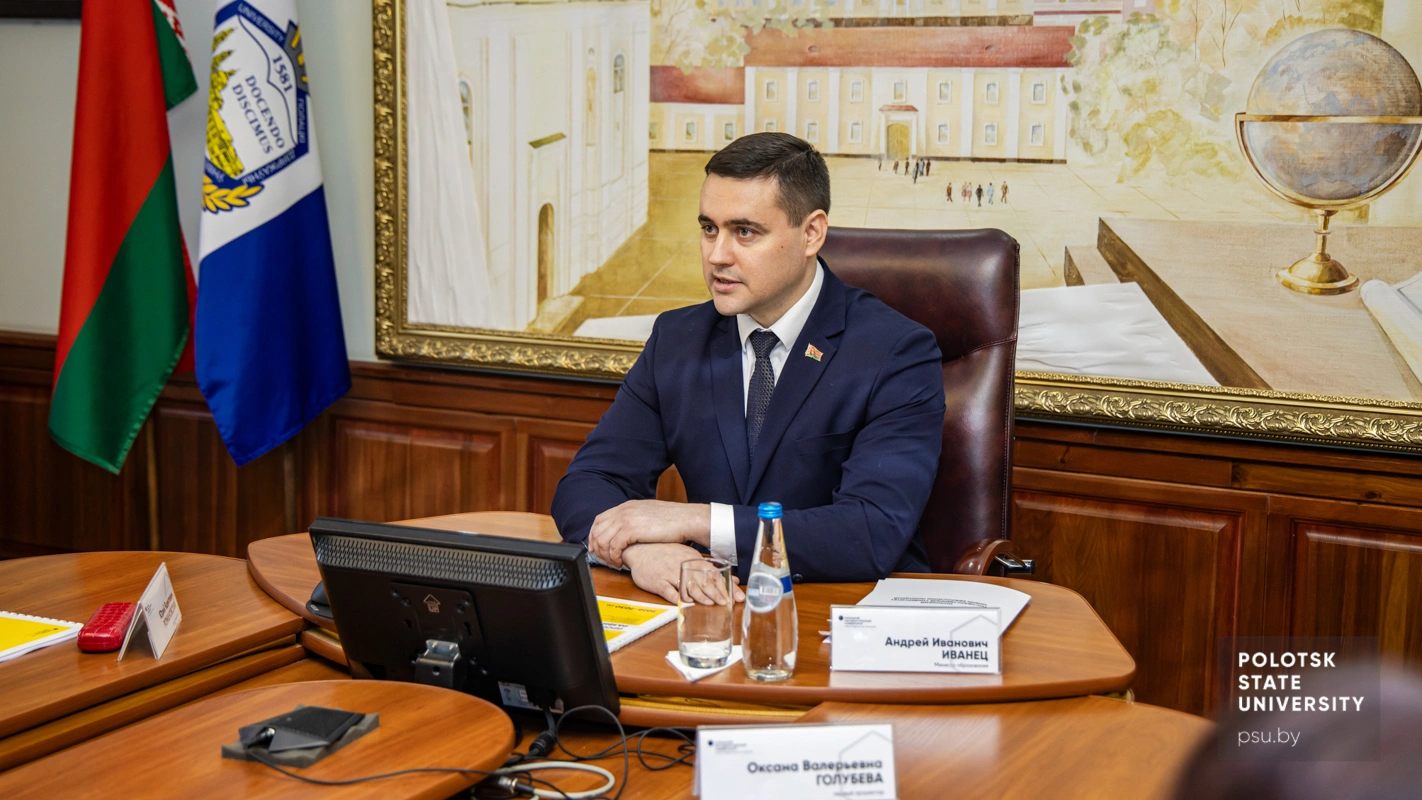
Staff of Polotsk University (photo 1) Andrei Ivanets (photo 2)
Competence centers play a key role in advancing engineering education by fostering collaboration between industry and higher education institutions. Polotsk State University remains committed to continuously developing its educational and laboratory facilities, opening doors for young people to the world of high technology and sustainable growth.

